
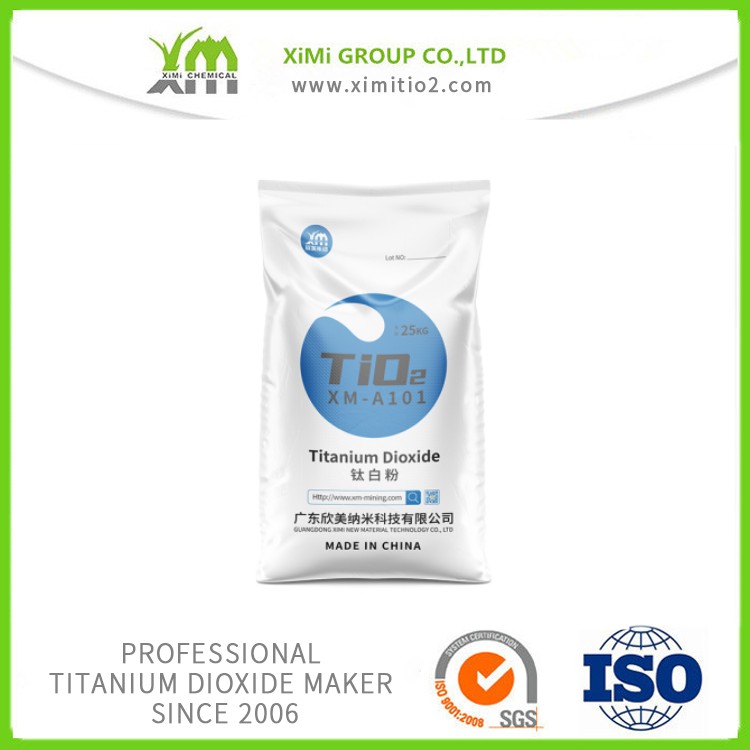
Titanium dioxide (TiO2), a widely used compound in various industries ranging from cosmetics to food production, has recently been reaffirmed as safe for use during pregnancy. This safety confirmation comes as reassuring news to consumers and manufacturers alike, many of whom have expressed concern over the potential health impacts of ingredients used in daily products. Backed by extensive research and expertise from leading producers in the industry, titanium dioxide continues to hold its place as a trusted substance.
### What is Titanium Dioxide?
Titanium dioxide is a naturally occurring oxide of titanium, valued primarily for its bright whiteness, high refractive index, and strong UV light absorbing capabilities. These attributes make titanium dioxide an essential component in products such as sunscreens, paints, coatings, food colorants, and cosmetics. Its role in enhancing product performance and safety, especially by providing UV protection in sunscreens and cosmetics, underscores its importance in consumer health.
### Safety Profile of Titanium Dioxide During Pregnancy
The safety of cosmetic and food ingredients during pregnancy is a critical factor for expectant mothers. Pregnancy imposes unique vulnerabilities, and consumers often carefully scrutinize product ingredients to avoid any risk to fetal development. Recent scientific assessments and regulatory reviews have examined titanium dioxide thoroughly.
Leading toxicological studies have indicated that titanium dioxide, especially in its particulate form used in regulated applications, does not pose a significant risk when used topically or consumed within permissible limits. This is particularly important as titanium dioxide is not easily absorbed into the bloodstream through the skin or digestive tract, thereby minimizing systemic exposure.
Regulatory authorities, including the U.S. Food and Drug Administration (FDA) and the European Food Safety Authority (EFSA), have maintained titanium dioxide’s status as safe in cosmetics and food when used according to recommended guidelines. These conclusions have been arrived at after extensive research into its bioavailability, toxicity, and potential cumulative effects.
### The Role of Industry Expertise and Quality
The confirmation of titanium dioxide’s safety is not only a product of scientific studies but also relies heavily on the expertise and manufacturing quality maintained by producers with years of research and development. Among the industry leaders enriching the titanium dioxide market is a company with over 17 years of experience specializing in the production of various types of titanium dioxide, including rutile titanium dioxide, anatase/'>anatase titanium dioxide, chloride titanium dioxide, and fiber titanium dioxide.
This manufacturer’s commitment to quality and innovation supports the safe application of titanium dioxide in diverse product lines. Their professional sales and technical teams work closely with clients to ensure that every batch meets the stringent standards required for safety and performance. Their product portfolio caters to multiple sectors, offering options that vary in particle size, purity, and crystalline form—factors that directly influence safety and efficacy.
### Different Forms of Titanium Dioxide and Their Applications
Understanding the types of titanium dioxide can shed light on its multifaceted uses and safety considerations:
- **Rutile Titanium Dioxide**: Known for its excellent durability and opacity, rutile TiO2 is commonly used in paints, coatings, and sunscreens due to its stability and ability to block UV light effectively.
- **Anatase Titanium Dioxide**: Generally employed in applications requiring photocatalytic properties, anatase TiO2 is found in self-cleaning surfaces and pollution control. It has a different crystalline structure from rutile, impacting its performance and application safety.
- **Chloride Titanium Dioxide**: Produced via the chloride process, this form is noted for its high purity and consistent particle size, making it suitable for high-end coatings and specialty products.
- **Fiber Titanium Dioxide**: A specialized form designed for reinforcing composites, fiber TiO2 combines the properties of titanium dioxide with fibrous materials to enhance mechanical strength.
Each type undergoes rigorous testing to meet regulatory standards, ensuring that their use in consumer products remains safe, including during sensitive periods such as pregnancy.
### Commitment to Consumer Safety
The continuous research into titanium dioxide’s safety profile highlights the industry’s dedication to consumer health. Manufacturers not only adhere to strict production protocols but also collaborate with regulatory bodies to update safety guidelines as new scientific data emerges.
Additionally, transparency in communicating ingredient information helps consumers make informed decisions. Expectant mothers can confidently use products containing titanium dioxide, provided these products comply with established safety standards and recommended usage instructions.
### Conclusion
The reaffirmation of titanium dioxide's safety during pregnancy offers peace of mind to consumers and underscores the vital role that experienced manufacturers play in ensuring product safety. With nearly two decades of expertise, producers specializing in various forms of titanium dioxide contribute to maintaining high standards of quality, supporting both innovation and health assurance.
As research continues and regulatory frameworks evolve, titanium dioxide remains a cornerstone ingredient trusted for its performance and safety. For expectant mothers and consumers worldwide, this means continued access to effective, safe products that contribute to everyday well-being without compromising health.
---
*Note: This article is based on current scientific reviews and industry insights regarding titanium dioxide. Consumers are always advised to consult healthcare professionals regarding their specific health concerns during pregnancy.*