The titanium dioxide (TiO2) industry, a critical component in a myriad of products ranging from paints and coatings to plastics and cosmetics, underwent significant developments throughout 2022. As global markets navigated through varying economic pressures, the pricing landscape for TiO2 experienced notable fluctuations. This article delves into the TiO2 price trends observed during 2022, providing insights into the factors that influenced the market, alongside an overview of a key manufacturer renowned for its expertise and product range.
### Overview of Titanium Dioxide Market in 2022
Titanium dioxide, widely recognized for its exceptional brightness and UV resistance, remains a staple raw material in many industrial applications. In 2022, the demand for TiO2 sustained growth, although it was tempered by global economic uncertainties, supply chain disruptions, and fluctuating raw material costs.
At the start of the year, prices for titanium dioxide were relatively elevated compared to previous years, influenced largely by lingering supply constraints from 2021 and increased costs of precursor chemicals. As manufacturers recalibrated their operations and new capacity slowly came online, the market began to stabilize mid-year. However, subsequent waves of COVID-19, geopolitical tensions, and energy price volatility introduced further complexity, impacting production costs and trade dynamics.
### Price Fluctuations Throughout the Year
- **First Quarter:** The market continued to reflect shortages in supply, with TiO2 prices witnessing a rise driven by tight inventories and strong demand from downstream industries such as architectural coatings and automotive paints. The disruption of logistics and increased freight costs also contributed to upward pressure on prices.
- **Second Quarter:** As traditional manufacturing hubs resumed more consistent operations, supply began to balance with demand, resulting in price normalization for titanium dioxide. Despite the easing, input raw material prices — including ilmenite, rutile, and other mined minerals — kept cost bases elevated. This period saw some buyers locking in medium-term contracts anticipating future cost increases.
- **Third Quarter:** Elevated energy prices affected production costs across global TiO2 producers. Manufacturers reliant on chlorine-based processes, which are more energy-intensive, faced higher operational expenditures. This led to selective production curtailments or slower capacity ramp-ups, again tightening supplies and pushing prices upward particularly in regions with higher energy tariffs.
- **Fourth Quarter:** Toward the end of 2022, uncertainty in demand, especially in construction and automotive sectors due to inflationary pressures and slower economic growth in some markets, restrained TiO2 price increases. Additionally, inventory levels improved slightly as some buyers deferred consumption in anticipation of potential price corrections.
### Influencing Factors Behind TiO2 Price Trends
Several core factors underpinned the price movements in 2022:
1. **Raw Material Availability:** The supply of key raw materials such as rutile and ilmenite minerals continued to be constrained due to mining restrictions and geopolitical issues, impacting feedstock cost and availability for producers.
2. **Energy Costs:** Energy prices, especially natural gas and electricity, experienced sharp increases globally. Since chemical processing for TiO2 is power-intensive, these cost hikes fed directly into production expenses and thus pricing.
3. **Supply Chain Disruptions:** Continued challenges in shipping logistics, including container shortages and port congestions, extended lead times and increased transportation costs, influencing overall TiO2 pricing.
4. **Demand Variability:** While sectors like paints and coatings maintained steady growth, others such as automotive manufacturing saw subdued demand due to economic uncertainty, leading to regional discrepancies in TiO2 consumption and price variation.
### XiMi: A Leading Manufacturer with Extensive Expertise
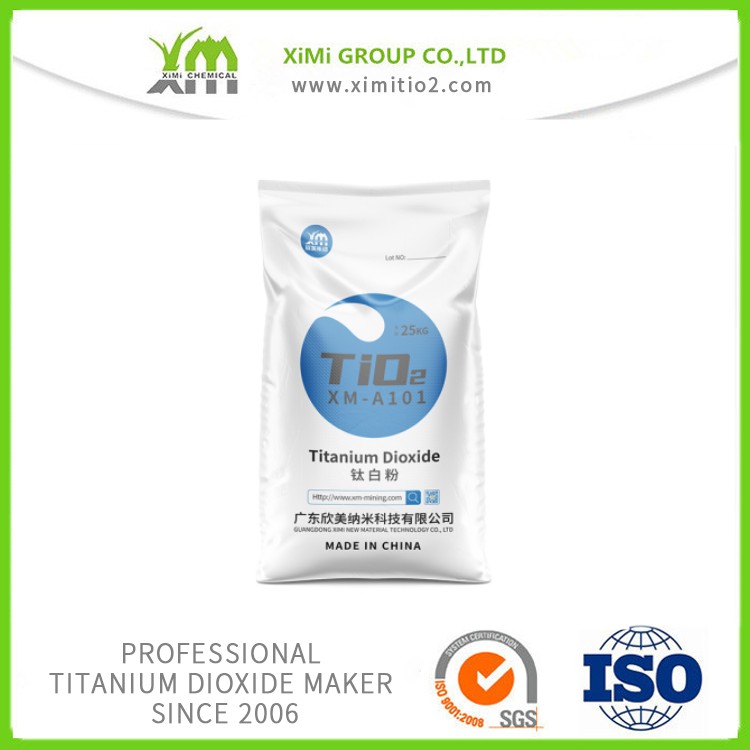
Amidst the wider market dynamics, XiMi, a titanium dioxide manufacturer with 17 years of rich industry experience, stood out by leveraging its technical expertise and comprehensive product portfolio. Specializing in the production of high-quality rutile titanium dioxide, anatase/'>anatase titanium dioxide, chloride titanium dioxide, and fiber titanium dioxide, the company has built a reputation for reliability and innovation.
XiMi’s professional sales team has been pivotal in maintaining strong customer relationships and navigating the fluctuating market conditions of 2022. Their deep understanding of product applications and customer needs allowed XiMi to offer tailored TiO2 solutions, catering to diverse industries including paints, plastics, paper, and fibers.
The company’s focus on chloride titanium dioxide production aligns with industry trends favoring chloride-route TiO2 for its higher purity and lower environmental impact compared to the sulfate process. Moreover, XiMi’s fiber titanium dioxide variants respond to niche applications demanding specialized pigment properties, illustrating the company’s commitment to product diversification and advanced materials.
### Looking Ahead: Market Outlook for Titanium Dioxide
As global economies continue to recover and adapt, the titanium dioxide industry is expected to see steady demand growth in 2023 and beyond. Key trends likely to influence the market include:
- **Sustainability Initiatives:** Manufacturers are increasingly prioritizing eco-friendly production methods and raw materials sourced with minimal environmental footprints, potentially influencing product costs and market positioning.
- **Technological Innovation:** Advances in TiO2 formulations and manufacturing technologies, such as nano-scale pigments and enhanced surface treatments, offer opportunities for differentiated products and new applications.
- **Supply Chain Resilience:** Lessons learned during recent disruptions are driving investments into more resilient and diversified supply chains, which may stabilize pricing volatility over time.
- **Regional Market Dynamics:** With ongoing geopolitical developments, regional markets may see varied growth rates and supply conditions, necessitating flexible strategies from producers and buyers alike.
### Conclusion
In 2022, the titanium dioxide market faced a mix of challenges and opportunities, reflected in fluctuating prices driven by supply-demand imbalances, energy cost spikes, and broader economic uncertainties. Manufacturers with strong technical expertise and diversified product portfolios, such as XiMi, managed to navigate these complexities effectively, continuing to meet customer needs through innovation and service excellence.
As the industry advances, maintaining a balanced supply chain, investing in sustainable production, and fostering close customer collaboration will be crucial for producers aiming to capitalize on the long-term growth potential of titanium dioxide in various industrial segments.