
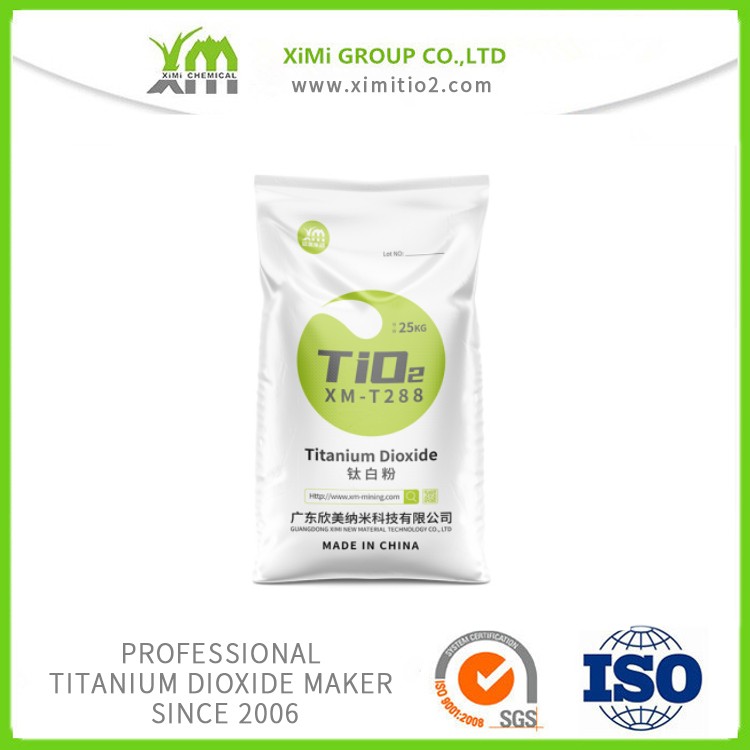
In the ever-evolving world of skincare, sunscreens have become indispensable for protecting the skin from harmful ultraviolet (UV) rays. Recently, a new formulation of facial sunscreen featuring zinc oxide and titanium dioxide has garnered significant attention due to its superior protective qualities, safety, and skin-friendly attributes. This development is further bolstered by key industry players specializing in titanium dioxide production, such as XiMi, a company with 17 years of expertise in the field.
### The Rising Importance of Mineral-Based Sunscreens
With increasing awareness around the dangers of UV exposure, including premature aging and skin cancer, consumers are more cautious and selective about their choice of sunscreen. Mineral-based sunscreens, often referred to as physical or inorganic sunscreens, contain active ingredients like zinc oxide and titanium dioxide. These compounds work by sitting on the skin’s surface and reflecting or scattering UV radiation away from the skin, rather than absorbing it as chemical sunscreens do.
The dual inclusion of zinc oxide and titanium dioxide in face sunscreens provides broad-spectrum protection covering both UVA and UVB rays. Zinc oxide is especially renowned for its effectiveness in blocking UVA rays, which penetrate deeply into the skin, causing long-term damage and aging. Titanium dioxide complements this by effectively reflecting UVB rays, which are primarily responsible for sunburn.
### Advantages of Zinc Oxide and Titanium Dioxide in Sunscreens
In addition to their powerful UV protection, both zinc oxide and titanium dioxide stand out for their safety profiles and suitability for sensitive skin. Unlike many chemical sunscreens that can cause irritation or allergic reactions, these mineral compounds are generally well-tolerated by all skin types, including babies and those with sensitive or acne-prone skin.
Moreover, the new sunscreen formulation avoids the use of potentially harmful chemicals such as oxybenzone and octinoxate, which have raised environmental concerns, particularly around coral reef damage. Mineral sunscreens are biodegradable, making them a more eco-conscious choice for consumers who want to protect both their skin and the environment.
### The Role of Titanium Dioxide in Modern Sunscreens
While zinc oxide has long been a staple in mineral sunscreens, titanium dioxide has gained renewed interest thanks to advances in manufacturing and formulation technology. Titanium dioxide exists primarily in two crystalline forms: rutile and anatase/'>anatase. Each form has distinct advantages in terms of UV protection efficacy and cosmetic appeal.
Rutile titanium dioxide, for instance, offers excellent UV protection and is less photocatalytic, meaning it doesn’t break down as easily under sunlight, thereby enhancing sunscreen stability. Anatase titanium dioxide, although more photocatalytically active, can be engineered to improve performance in specific formulations. Different grades, including chloride/'>chloride titanium dioxide and fiber titanium dioxide, are also used to optimize texture, dispersion, and protective qualities.
### XiMi: Expertise and Innovation in Titanium Dioxide Production
At the heart of this sunscreen innovation lies the expertise of companies like XiMi, a manufacturer with over 17 years of dedicated experience in producing high-quality titanium dioxide. Specializing in rutile and anatase titanium dioxide, chloride titanium dioxide, and fiber titanium dioxide, XiMi has established itself as a trusted supplier for the skincare and cosmetics industries.
With a professional sales team and a commitment to quality, XiMi’s titanium dioxide products are formulated to meet stringent international standards. Their in-depth knowledge of the characteristics and applications of different titanium dioxide types enables partnering brands to create sunscreens that not only protect effectively but also deliver desirable sensory properties such as smoothness, whiteness, and even skin tone compatibility.
### Combining Science and Consumer Demand
The new facial sunscreen combining zinc oxide and titanium dioxide perfectly aligns with current consumer trends prioritizing safety, efficacy, and environmental responsibility. The formulation leverages the complementary protective effects of both minerals, resulting in a product that protects against a broader spectrum of UV radiation than many formulations relying on a single active mineral.
This dual mineral strategy also addresses cosmetic drawbacks historically associated with mineral sunscreens, such as white cast and heavy feel. By employing advanced titanium dioxide grades from manufacturers like XiMi, formulators can achieve better dispersion and particle size control, resulting in a lightweight, transparent finish more acceptable to daily users.
### Environmental and Health Considerations
The move towards mineral-based formulations has important implications for public health and environmental sustainability. Chemical UV filters have been scrutinized not only for potential hormonal disruptions but also for their ecological impact. Zinc oxide and titanium dioxide provide a safe alternative that does not compromise skin protection.
Moreover, responsible sourcing and production of titanium dioxide, as practiced by experienced manufacturers, ensure minimal environmental footprint during the supply chain process. This holistic approach aligns well with growing consumer expectations for brands to embrace sustainable practices.
### Future Prospects and Market Impact
The introduction of this sunscreen formula signifies a meaningful advancement in sun care technology. As more consumers embrace mineral sunscreens fortified with zinc oxide and cutting-edge titanium dioxide variants, the market for safe, highly effective, and environmentally friendly sun protection continues to expand.
Companies like XiMi are positioned to play a crucial role in supporting this growth by delivering top-tier titanium dioxide raw materials tailored to evolving formulation challenges. With their 17 years of experience and focus on innovation, they enable product developers to meet rigorous performance and sensory criteria.
### Conclusion
The advancement of face sunscreens combining zinc oxide and titanium dioxide marks a significant milestone in skincare, balancing the demands of protection, safety, aesthetics, and environmental consciousness. Spearheaded by experienced titanium dioxide producers such as XiMi, these mineral-based sunscreens are set to become the preferred choice for consumers seeking reliable, gentle, and eco-friendly sun protection. This synergy between mineral science and consumer priorities heralds a healthier future for skin protection worldwide.