
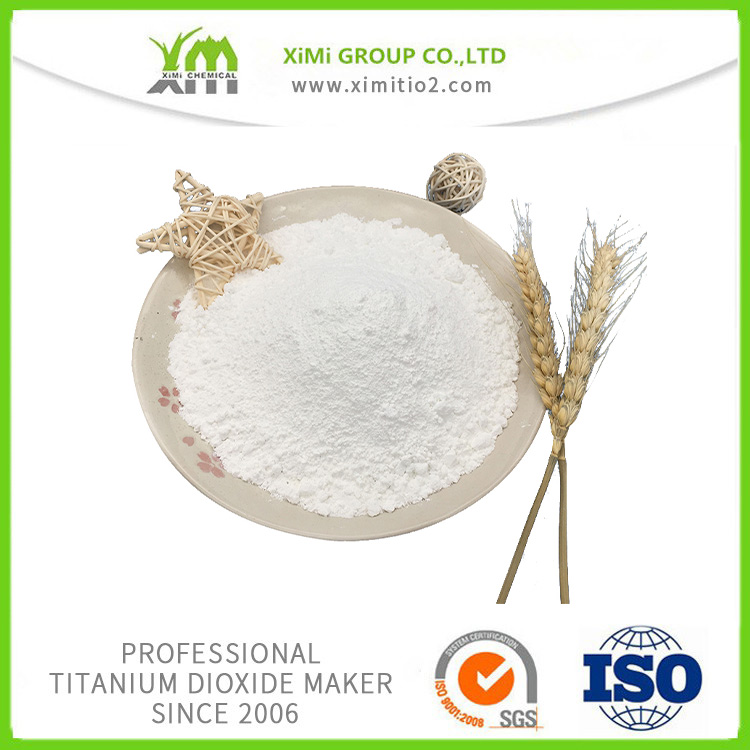
Titanium dioxide (TiO2) is a widely utilized compound known for its remarkable properties such as high refractive index, strong UV light absorption, and excellent opacity. These characteristics have made it a critical component in a variety of industries, ranging from paints and coatings to cosmetics and food products. With increasing demand driven by its versatile applications, the role of experienced manufacturers in ensuring quality and innovation is more important than ever.
### What is Titanium Dioxide?
Titanium dioxide is a naturally occurring oxide of titanium, primarily used as a white pigment due to its brightness and very high refractive index. It exists in several crystalline forms, the most common being rutile and anatase/'>anatase, each suitable for different purposes. The compound is non-toxic and stable, making it safe for diverse applications.
### Common Uses of Titanium Dioxide
1. **Paints and Coatings**
One of the largest consumers of TiO2 is the paint industry. Titanium dioxide’s high opacity and brightness allow paints to achieve excellent coverage and color vibrancy. It is used extensively in both architectural coatings—such as interior and exterior wall paints—and industrial coatings for machinery and vehicles. The compound ensures durability under UV light, helping painted surfaces maintain their appearance over time.
2. **Plastics and Polymers**
In plastics manufacturing, TiO2 serves as a pigment to enhance whiteness and opacity. It improves the plastic's resistance to UV degradation, thereby extending the product's lifespan. Products such as packaging materials, household goods, and automotive parts commonly contain titanium dioxide to provide enhanced aesthetic and functional qualities.
3. **Paper Industry**
Titanium dioxide is used in paper production to give paper brightness and opacity. By incorporating TiO2, paper manufacturers can produce sheets with better printability, improved whiteness, and decreased transparency, which is essential for both commercial and specialty paper products.
4. **Cosmetics and Personal Care Products**
Due to its ability to absorb UV light, titanium dioxide is a key ingredient in sunscreens and other cosmetic products. It provides effective protection against UV radiation, helping to prevent skin damage. Additionally, its white pigment properties help in achieving desired colors and textures in makeup formulations such as foundations, powders, and lotions.
5. **Food Additives**
In the food industry, titanium dioxide is commonly used as a whitening agent to enhance the appearance of products like candy, chewing gums, and dairy items. Its safety as a food additive is regulated in many countries, ensuring consumer protection while improving food aesthetics.
6. **Fibers and Textiles**
TiO2 finds its way into fibers where it can be used to impart whiteness and improve UV resistance to fabrics. This helps in maintaining fabric color and quality over time, especially for outdoor applications.
7. **Electronics and Photocatalysts**
Specialized forms of titanium dioxide, particularly anatase, serve advanced functions in photocatalysis, which is key for environmental cleanup technologies such as air and water purification. TiO2’s role in electronics includes use in components like capacitors and sensors due to its dielectric properties.
### Types of Titanium Dioxide
The characteristics and applications of titanium dioxide depend significantly on its crystalline form and processing method. Two prominent types are:
- **Rutile Titanium Dioxide:** Known for its stability and higher refractive index, rutile TiO2 is commonly used in paints, plastics, and coatings. It provides excellent light scattering effects and durability.
- **Anatase Titanium Dioxide:** This form is more photocatalytically active and suited for applications requiring UV protection and environmental purification, such as in sunscreens and air-purifying coatings.
Manufacturing methods also affect the performance of titanium dioxide. Chloride and sulfate processes are the two main production routes, each producing TiO2 suited for different industry needs.
### Advancing Quality and Innovation: Role of Experienced Manufacturers
A nuanced understanding of the production process and market demands is essential for delivering titanium dioxide that meets rigorous quality standards. Experienced manufacturers specialize in producing various forms of titanium dioxide, including rutile, anatase, chloride/'>chloride, and fiber-grade TiO2, tailoring products to diverse industry requirements.
With over 17 years of expertise, manufacturers focus on innovating production techniques to optimize purity, particle size, and crystallinity. These improvements directly impact the performance of titanium dioxide in end-use applications, such as enhanced UV protection in cosmetics and superior opacity in paints.
Moreover, professional sales teams bridge the gap between production and client needs, offering tailored solutions and technical support to industries worldwide. This ensures that clients receive the most appropriate grades and types of titanium dioxide for their specific applications.
### Environmental and Safety Considerations
Manufacturers today are also committed to sustainability, developing eco-friendly production methods to minimize environmental impact. The focus extends to creating products that are safe for consumers and comply with international regulatory standards. This is particularly important in industries such as food additives, cosmetics, and children’s products where safety standards are stringent.
### Conclusion
Titanium dioxide remains a cornerstone material across many industrial sectors due to its versatility, safety, and performance benefits. As its applications grow—from traditional uses in paints and plastics to advanced roles in photocatalysis and electronics—the demand for high-quality TiO2 continues to rise.
The expertise provided by seasoned titanium dioxide manufacturers ensures that industries benefit from tailored, reliable products that meet evolving market and environmental standards. Through consistent innovation and dedicated service, these manufacturers play a pivotal role in supporting the sustainable growth and application of titanium dioxide worldwide.
---
**Note:** This article highlights the broad utility of titanium dioxide and the critical role of experienced producers in delivering high-quality products to meet diverse industry demands.