
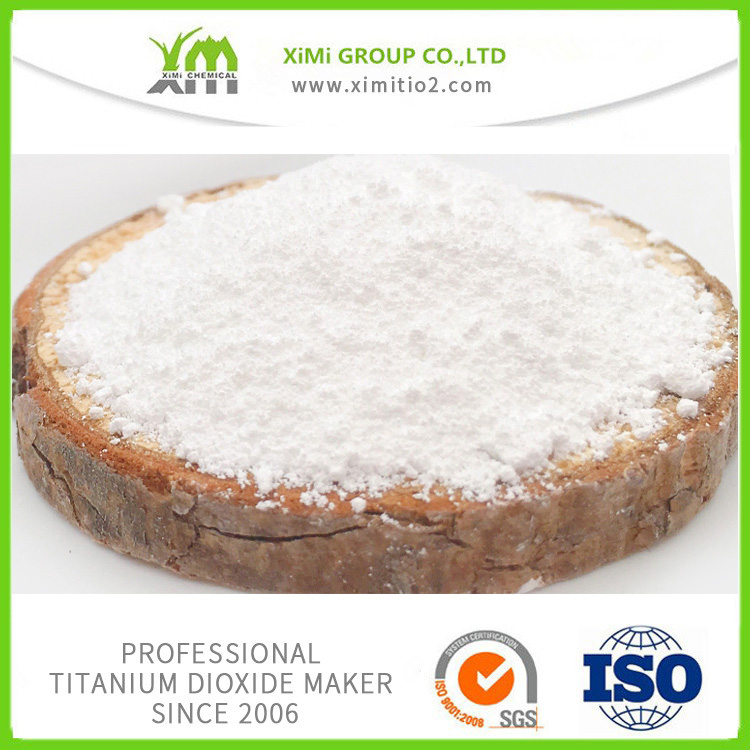
Titanium dioxide (TiO₂) has long been a staple in various industries due to its excellent properties such as brightness, high refractive index, and strong covering power. From paints and coatings to cosmetics and food products, titanium dioxide plays a critical role in enhancing quality and appearance. However, in recent years, questions surrounding the safety of titanium dioxide have generated significant public interest and regulatory scrutiny. This article aims to shed light on the safety of titanium dioxide, with insights rooted in the experience of a leading manufacturer specializing in this versatile compound.
### Understanding Titanium Dioxide and Its Uses
Titanium dioxide is a naturally occurring oxide of titanium widely used as a white pigment. Its applications span numerous sectors:
- **Paints and Coatings:** Enhances whiteness and opacity.
- **Plastics and Paper:** Improves brightness and durability.
- **Cosmetics:** Provides whiteness and opacity in products like sunscreens and powders.
- **Food Industry:** Used as a food colorant and additive.
The compound exists mainly in two crystalline forms—rutile and anatase/'>anatase—each offering specific characteristics suited to different applications. Rutile titanium dioxide is noted for its superior durability, making it a popular choice in outdoor paints, while anatase titanium dioxide is often utilized in photocatalytic applications.
### Safety Concerns and Scientific Evaluation
The dialogue on the safety of titanium dioxide intensified after some studies suggested potential risks, particularly concerning its nanoparticulate form. These concerns include:
- **Inhalation Exposure:** Workers in manufacturing settings might inhale ultrafine titanium dioxide particles, which could pose respiratory risks.
- **Food Additive Safety:** Questions regarding ingestion safety when titanium dioxide is used as a food additive.
- **Cosmetic Use:** Potential for skin penetration or inhalation via powders and sprays.
It is important to note that regulatory agencies worldwide have extensively reviewed these concerns. For instance, the European Food Safety Authority (EFSA) conducted comprehensive assessments incorporating recent scientific data. In 2021, EFSA concluded that titanium dioxide could no longer be considered safe as a food additive due to uncertainties about genotoxicity. Conversely, organizations like the U.S. Food and Drug Administration (FDA) still recognize titanium dioxide as generally safe when used within prescribed limits.
### Manufacturer Expertise: Experience Matters
Given the complexity surrounding titanium dioxide’s safety profile, choosing a reputable manufacturer becomes crucial. With 17 years of rich experience, one such manufacturer has built a solid reputation for producing high-quality titanium dioxide products tailored to meet diverse industrial needs.
This manufacturer specializes in producing:
- **Rutile Titanium Dioxide:** Preferred for its excellent durability and outdoor stability.
- **Anatase Titanium Dioxide:** Valued for specific applications requiring photocatalytic activity.
- **Chloride Titanium Dioxide:** Produced through the chloride process, known for higher purity and brightness.
- **Fiber Titanium Dioxide:** Engineered for specialized industrial applications.
Their professional sales team works closely with clients to offer custom solutions that comply with international quality and safety standards. This commitment to quality ensures that end products incorporating titanium dioxide remain safe and reliable for consumers.
### Industry Best Practices and Safety Measures
To mitigate potential risks, manufacturers have adopted stringent safety measures during production and handling:
- **Controlled Particle Size:** Limiting nanoparticle content reduces inhalation hazards.
- **Encapsulation Technologies:** Often used in cosmetics to minimize skin penetration.
- **Occupational Safety Protocols:** Ensuring proper ventilation, personal protective equipment, and exposure monitoring in manufacturing facilities.
These best practices, together with ongoing research and regulatory updates, contribute to enhancing the safety profile of titanium dioxide products in the market.
### Moving Forward: Balancing Innovation and Safety
Titanium dioxide remains an indispensable ingredient across multiple industries due to its unique properties. While safety concerns require ongoing vigilance and research, advancements in manufacturing technologies and regulatory frameworks help balance innovation with consumer protection.
For businesses seeking reliable titanium dioxide sources, partnering with experienced manufacturers that prioritize quality, compliance, and safety is essential. Such collaborations not only ensure product performance but also align with evolving regulatory landscapes to safeguard public health.
### Conclusion
The safety of titanium dioxide has become a focal point in recent years, prompting comprehensive evaluations and regulatory revisions. Although some uncertainties remain, especially in specific applications like food additives, titanium dioxide continues to be widely used with established safety protocols.
Manufacturers with extensive experience and expertise play a vital role in producing high-quality titanium dioxide products that meet stringent safety and quality standards. Through continued research, adherence to best practices, and transparent communication, the industry can address safety concerns while maintaining the valuable benefits of titanium dioxide in everyday products.
As consumers and regulators alike seek greater assurance, collaboration between manufacturers, scientists, and policymakers will be key to ensuring that titanium dioxide remains both effective and safe in its many applications.