
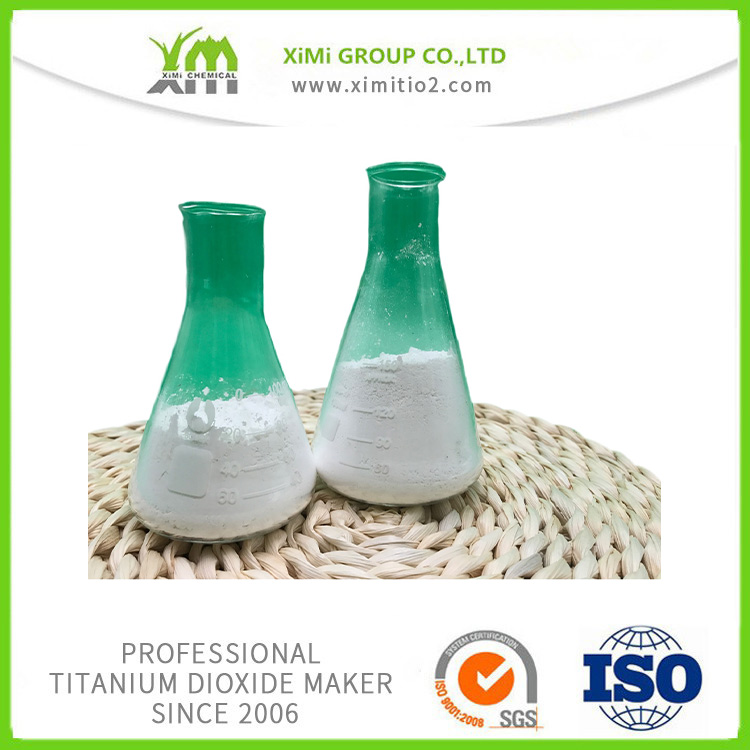
Titanium dioxide (TiO2) has long been valued across various industries for its excellent properties. Commonly used as a white pigment in paints, coatings, plastics, food products, cosmetics, and pharmaceuticals, titanium dioxide boasts attributes such as brightness, high refractive index, chemical stability, and non-toxicity. However, recent discussions and studies around the safety of titanium dioxide have prompted consumers, manufacturers, and regulatory bodies alike to take a closer look at this ubiquitous compound.
### Understanding Titanium Dioxide
Titanium dioxide is a naturally occurring oxide of titanium and is widely utilized for its impressive ability to scatter visible light effectively, making it a brilliant white pigment. It primarily comes in two crystal forms: rutile and anatase/'>anatase, each having unique characteristics and applications. In addition to these, variations such as chloride/'>chloride titanium dioxide and fiber titanium dioxide are developed to suit different industrial needs.
For manufacturers with extensive expertise—such as those with 17 years of experience specializing in the production of rutile and anatase titanium dioxide, chloride titanium dioxide, and fiber titanium dioxide—ensuring product quality while adhering to evolving safety standards is paramount. Their professional sales teams work closely with clients to provide tailored solutions suited to diverse applications.
### The Safety Concerns Around Titanium Dioxide
Despite titanium dioxide's widespread use and historical reputation for safety, there has been growing scrutiny concerning its potential health effects, particularly when inhaled in nanoparticle form. The International Agency for Research on Cancer (IARC), a part of the World Health Organization (WHO), classified titanium dioxide as a Group 2B agent in 2010, meaning it is “possibly carcinogenic to humans” based on inhalation studies in rats. However, this classification pertains mainly to occupational exposure in industrial settings where titanium dioxide dust or nanoparticles could be inhaled over prolonged periods.
In daily consumer products such as food, cosmetics, and medicines, titanium dioxide is generally used as a powder or incorporated in forms that minimize inhalation risks. Regulatory bodies including the U.S. Food and Drug Administration (FDA), the European Food Safety Authority (EFSA), and other international agencies continue to evaluate safety based on current scientific evidence while setting limits on quantities used.
### Current Regulatory Landscape and Recent Developments
Regulatory perspectives on titanium dioxide vary globally and are periodically updated as new scientific data emerge:
- **Food Industry**: Titanium dioxide (E171) has been widely used as a food additive to give whiteness and opacity to products such as candies, chewing gums, dairy products, and sauces. However, following studies highlighting concerns about nanoparticle absorption and potential genotoxicity, the European Food Safety Authority concluded in 2021 that titanium dioxide can no longer be considered safe as a food additive. Consequently, the European Commission moved to ban its use in food products after January 2022. Other regions, including the U.S., are still reviewing scientific data but have not enacted bans to date.
- **Cosmetics and Personal Care**: In cosmetics, titanium dioxide is commonly used in sunscreens and makeup powders to provide opacity and UV protection. The compound’s excellent UV-filtering ability makes it a valuable ingredient in sun care products. Regulatory agencies generally permit its use in these products, provided particle sizes and application forms meet safety standards. The potential for inhalation of powdered forms in loose powders is a notable concern, leading to restrictions on certain formulations.
- **Industrial and Occupational Exposure**: Workers involved in manufacturing, handling, or processing titanium dioxide are at higher risk of inhaling fine particles. Companies with in-depth manufacturing capabilities emphasize implementing strict safety measures, including dust control, personal protective equipment, and environmental monitoring, to minimize occupational hazards.
### Industry’s Commitment to Safety and Innovation
Leading titanium dioxide manufacturers, with over a decade and a half of rich experience and a professional sales team, play a pivotal role in ensuring the safety and quality of their products. By specializing in different types of titanium dioxide—such as rutile, anatase, chloride, and fiber varieties—they are able to meet diverse customer needs while adhering to stringent safety and environmental standards.
Research and development efforts focus on producing titanium dioxide particles with controlled size distribution and surface coatings that reduce particle reactivity and potential toxicity. Moreover, manufacturers are actively collaborating with regulatory agencies to comply with evolving guidelines and facilitate transparent communication about product safety.
### Practical Tips for Consumers
For everyday consumers, it is essential to understand that titanium dioxide is generally safe when used as intended. Some practical advice includes:
- **Awareness of Product Labels**: Check ingredient lists for titanium dioxide, especially in food, cosmetics, and personal care products, to stay informed about its presence.
- **Avoid Inhalation of Powders**: Products presenting titanium dioxide in fine powder form may pose inhalation risks, so caution should be exercised, particularly in occupational or hobbyist applications involving powders.
- **Follow Regulatory Guidance**: Stay updated on information from trusted regulatory bodies regarding titanium dioxide usage and safety recommendations.
### Conclusion
Titanium dioxide remains a valuable and widely used compound with a strong safety record when properly managed. While ongoing research and regulatory reviews have highlighted areas requiring caution—especially regarding inhalation and nanoparticle forms—the compound’s benefits across industries are substantial.
The manufacturing sector, leveraging years of expertise and advanced production techniques, continues to prioritize product safety and regulatory compliance. As scientific understanding deepens, both manufacturers and consumers can expect evolving frameworks that ensure titanium dioxide can be used effectively and safely in everyday products.
In sum, titanium dioxide is safe when used under recommended conditions, and with responsible production and usage, it will continue to play an indispensable role in modern industrial and consumer applications.