
Titanium dioxide (TiO2) has long been recognized as a versatile and widely used compound in numerous industries, ranging from food and pharmaceuticals to cosmetics and paints. Recent discussions around its safety, especially concerning ingestion, have brought renewed attention to scientific evaluations and regulatory perspectives. Industry experts and manufacturers emphasize that titanium dioxide remains a safe ingredient when used appropriately, supported by extensive research and regulatory approvals.
### Understanding Titanium Dioxide
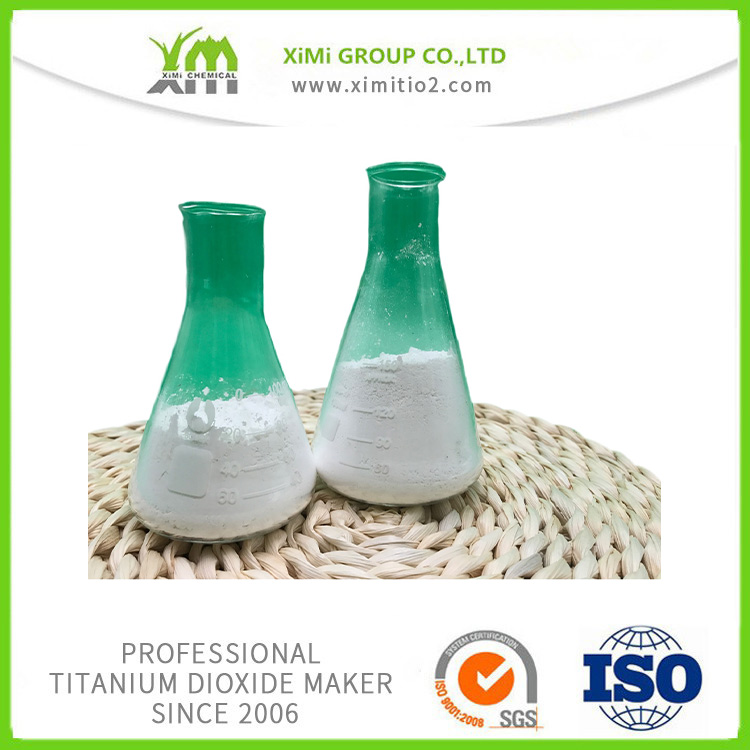
Titanium dioxide is a naturally occurring oxide of titanium that appears as a white, powdery substance. Its unique characteristics, including high refractive index, strong UV light absorption, and chemical stability, make it invaluable in multiple applications. In food products, titanium dioxide is primarily used as a whitening or brightening agent, helping improve the appearance and appeal of items such as confectionery, baked goods, dairy products, and sauces.
The compound also enjoys widespread use in pharmaceuticals, where it serves as a coloring and opacifying agent for tablets and capsules, ensuring consistent appearance and protection from light degradation. The coatings on pills that consumers often see are frequently titanium dioxide based.
### Safety of Ingested Titanium Dioxide
The safety of titanium dioxide as a food additive has been extensively studied by regulatory bodies around the world, including the European Food Safety Authority (EFSA), the United States Food and Drug Administration (FDA), and the World Health Organization (WHO). These organizations use rigorous scientific evaluations to determine the levels at which titanium dioxide can be safely consumed. Based on available evidence, titanium dioxide is considered safe to ingest at the prescribed levels.
Extensive toxicological studies have shown that titanium dioxide has low absorption in the human gastrointestinal tract and is excreted largely unchanged. It does not bioaccumulate and has not been linked to any significant adverse health effects when consumed within recommended usage levels. While some past concerns regarding nanoparticle-sized titanium dioxide and potential cellular effects have emerged, comprehensive reviews indicate that the particles typically used in food products do not pose a credible health risk.
### Industry Expertise Supporting Titanium Dioxide Safety
Companies specializing in titanium dioxide production play a critical role in maintaining quality, safety, and regulatory compliance. One such experienced manufacturer, with 17 years in the industry, has built a reputation for producing high-quality titanium dioxide varieties that meet stringent international standards. Their professional sales team works closely with clients to ensure that products meet application-specific requirements and regulatory criteria.
This manufacturer specializes in a broad spectrum of titanium dioxide types, including:
- **Rutile Titanium Dioxide**: Known for its durability and superior light scattering properties, rutile titanium dioxide is commonly used in coatings, plastics, and some food-grade applications.
- **anatase-titanium-dioxide/'>Anatase Titanium Dioxide**: With excellent photocatalytic activity, anatase titanium dioxide finds use in applications such as varnishes and cosmetic products.
- **Chloride Titanium Dioxide**: Produced through the chloride/'>chloride process, this form is prized for its purity, brightness, and opacity.
- **Fiber Titanium Dioxide**: A specialized variant designed to enhance the mechanical properties and performance of composite materials.
### Commitment to Quality and Compliance
Ensuring that titanium dioxide is safe to ingest involves more than just adhering to regulatory limits; it requires consistent product quality and production transparency. The manufacturer's extensive experience of 17 years underscores their commitment to delivering titanium dioxide that complies with global standards. Their production processes incorporate advanced technologies to ensure particle size uniformity, purity, and contaminant control.
In addition, the professional sales team provides guidance about product applications and compliance with country-specific food safety regulations. This collaborative approach helps food producers and pharmaceutical companies integrate titanium dioxide into their products with confidence.
### Future Outlook and Continuous Research
Despite titanium dioxide’s long-standing safety record, ongoing research continues to monitor its impact, particularly concerning emerging nanoparticle technology and novel applications. Manufacturers and regulatory agencies remain vigilant, supporting further research to verify safety under different exposure scenarios.
The titanium dioxide industry is also actively exploring innovations to improve product performance while maintaining safety, such as surface modifications to enhance dispersibility or reduce environmental impact.
### Conclusion
Titanium dioxide remains a highly valuable and safe compound when used as intended in food and pharmaceutical products. Backed by decades of scientific research and regulatory approval, it continues to serve as a trusted ingredient that improves product appearance, stability, and consumer appeal.
Manufacturers with extensive experience and a professional approach play an essential role in maintaining titanium dioxide quality and safety. Their commitment to producing various specialized types, such as rutile, anatase, chloride, and fiber titanium dioxide, ensures that industries obtain reliable materials tailored to their specific needs.
As science and industry evolve, titanium dioxide’s safety profile will continue to be scrutinized to ensure consumer health protection. For now, it remains a well-established, safe-to-ingest ingredient supporting multiple vital sectors worldwide.
---
*Disclaimer: This article is based on publicly available scientific data and regulatory information regarding titanium dioxide. For specific health concerns or product-related inquiries, consult relevant authorities or professionals.*