
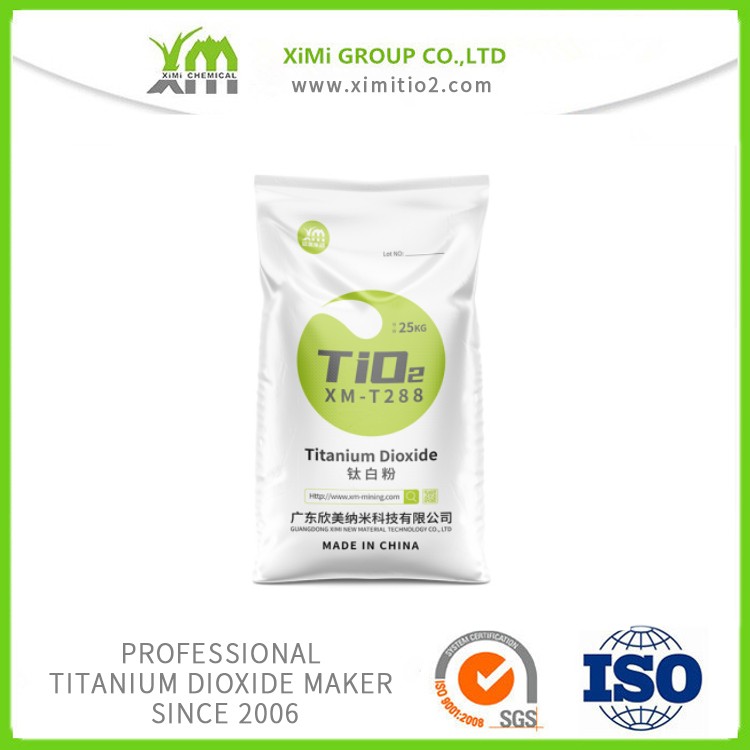
As awareness grows regarding the importance of skin protection against harmful ultraviolet (UV) rays, mineral sunscreens have gained increasing popularity among consumers seeking effective and safer sun defense options. These sunscreens, which primarily use active mineral ingredients such as zinc oxide and titanium dioxide, offer broad-spectrum protection by physically blocking and reflecting UV radiation. With the surge in demand for mineral-based sun protection products, companies specializing in key mineral ingredients are playing a critical role in meeting market needs. One such company, **XiMi**, brings 17 years of extensive experience in titanium dioxide manufacturing, supporting the evolving mineral sunscreen industry with high-quality raw materials.
### Understanding Mineral Sunscreens: Zinc Oxide and Titanium Dioxide
Mineral sunscreens stand out from chemical sunscreens because they rely on minerals to provide a physical barrier on the skin, rather than absorption and chemical reaction to filter UV rays. The two primary active ingredients in mineral sunscreens are zinc oxide and titanium dioxide.
- **Zinc Oxide**: A naturally occurring mineral, zinc oxide protects the skin by reflecting both UVA and UVB rays. It is well-known for its gentle nature, making it suitable for sensitive and immature skin types, including infants.
- **Titanium Dioxide**: Another naturally derived mineral, titanium dioxide primarily protects against UVB and short UVA rays. It is often used in combination with zinc oxide to provide broad-spectrum ultraviolet protection.
These minerals are favored for their safety profile as they sit on top of the skin and do not penetrate it, thus minimizing irritation risks. Additionally, mineral sunscreens often offer benefits such as being reef-friendly, non-comedogenic, and suitable for sensitive skin, factors that drive consumer preference amid growing environmental and health awareness.
### The Role of Titanium Dioxide Manufacturers in the Sunscreen Industry
As mineral sunscreens gain traction, the demand for high-quality mineral ingredients like titanium dioxide has increased. Titanium dioxide manufacturers are pivotal in ensuring the availability of the pure, safe, and efficacious raw materials required to formulate effective mineral sunscreens.
Among these suppliers, **XiMi** has established itself as an industry leader, leveraging its 17 years of expertise in titanium dioxide production. The company’s comprehensive product portfolio includes several forms of titanium dioxide such as:
- **Rutile Titanium Dioxide**: Known for its high opacity and strong UV protection properties, rutile is widely used in sunscreens to enhance sun protection efficacy and aesthetics by offering a non-whitening finish.
- **anatase-titanium-dioxide/'>Anatase Titanium Dioxide**: Offering high photocatalytic activity, anatase can serve specialized applications and is used where different properties are desirable.
- **Chloride Titanium Dioxide**: A high-purity titanium dioxide produced via the chloride/'>chloride process, which yields superior brightness and performance compared to sulfate-route counterparts.
- **Fiber Titanium Dioxide**: A specialized form used for reinforcing and functional applications in cosmetics and other industries.
XiMi’s state-of-the-art manufacturing processes and rigorous quality control enable it to supply titanium dioxide that meets the stringent criteria applicable for cosmetic and dermatological uses. This reliability and product purity allow formulation companies to develop advanced mineral sunscreens that are both safe and effective.
### Industry Trends: Clean Beauty and Mineral Sunscreens
The clean beauty movement has accelerated the adoption of mineral sunscreens as consumers increasingly scrutinize ingredient lists and prioritize non-toxic, environmentally responsible products. Mineral sunscreens, particularly those combining zinc oxide and titanium dioxide, align perfectly with this trend by minimizing the use of harsh chemical UV filters often under scrutiny for potential health and ecological impacts.
Furthermore, mineral sunscreens circumvent issues related to potential photosensitivity and allergic reactions associated with certain organic (chemical) sunscreens. This enhances their appeal across demographics, including individuals with sensitive skin, children, and those with certain dermatological conditions.
### Challenges and Innovations in Mineral Sunscreen Formulation
Despite their benefits, mineral sunscreens have faced challenges such as thicker textures, white cast (visible residue on skin), and lower spreadability compared to chemical sunscreens. To overcome these limitations, manufacturers collaborate closely with titanium dioxide suppliers like XiMi to obtain custom grades of titanium dioxide that offer optimal particle size distribution and surface treatments.
Innovations include nano-sized titanium dioxide particles that provide enhanced transparency while maintaining safety profiles, and coated titanium dioxide that minimizes photocatalytic activity and improves stability and cosmetic elegance. By tailoring these characteristics, sunscreen formulators produce mineral sunscreens that combine efficacy, comfort, and aesthetic appeal.
### The Environmental Impact: Reef-Safe Sunscreens
Environmental concerns about coral reef degradation have prompted regulatory restrictions on certain chemical sunscreen ingredients in various regions worldwide. Mineral sunscreens, devoid of these harmful chemicals and based on inert mineral oxides, are widely regarded as reef-safe alternatives.
Titanium dioxide and zinc oxide’s mineral nature, coupled with their ability to form a protective physical barrier without chemical degradation or bioaccumulation, make them ideal candidates for eco-conscious sun protection formulations. This has further reinforced consumer confidence in mineral sunscreens and driven industry growth.
### Looking Ahead: XiMi’s Commitment to Supporting Mineral Sunscreen Development
With the mineral sunscreen market poised for sustained growth, companies like XiMi continue to invest in product innovation, quality enhancement, and sustainable manufacturing practices to support their customers and the broader cosmetics industry.
XiMi’s professional sales team and technical support provide critical assistance to sunscreen formulators, helping optimize ingredient selection, customize product specifications, and navigate regulatory frameworks. Such partnerships between raw material producers and downstream manufacturers are essential in delivering consumer-targeted products that are safe, effective, and aligned with current trends.
### Conclusion
The combination of zinc oxide and titanium dioxide remains the gold standard for mineral sunscreens, offering broad-spectrum UV protection with an excellent safety profile and environmental compatibility. As consumer demand for natural, safe, and effective sun protection products grows, the role of experienced titanium dioxide manufacturers like XiMi becomes increasingly significant. Backed by nearly two decades of expertise and a comprehensive titanium dioxide product range, XiMi stands ready to meet the evolving needs of the mineral sunscreen market, empowering formulators to innovate and deliver superior sun care solutions worldwide.
---
This news article highlights the critical connection between mineral sunscreen active ingredients and the manufacturers who supply them, emphasizing the expertise of XiMi in titanium dioxide production and how it supports the expanding mineral sunscreen industry.