
Recent developments in the classification of titanium dioxide have raised significant concerns across various industries worldwide. Titanium dioxide, a widely used white pigment in products ranging from paints and coatings to cosmetics and food additives, has been recently classified as a carcinogenic substance by leading health authorities. This classification prompts a critical reassessment of the safety protocols, regulatory measures, and industry practices related to titanium dioxide production and usage.
### Titanium Dioxide and Its Ubiquitous Presence
Titanium dioxide (TiO2) is a naturally occurring oxide of titanium, celebrated for its brightness, high refractive index, and ultraviolet light resistance. Its unique properties make it an essential component in enhancing the opacity and whiteness of products. Industries such as paint manufacturing, plastics, paper, food, cosmetics, and pharmaceuticals rely heavily on titanium dioxide.
Despite its widespread use and significant benefits, the recent determination of its carcinogenic potential—particularly through inhalation exposure to fine particles—has stirred debates among manufacturers, regulators, and consumers.
### Health Authorities’ Classification
The International Agency for Research on Cancer (IARC), part of the World Health Organization, recently reclassified titanium dioxide as a Group 2B carcinogen, indicating it is "possibly carcinogenic to humans." This classification is based primarily on evidence from animal studies that demonstrated the carcinogenic effects of inhaled titanium dioxide dust, especially in the form of fine or ultrafine particles.
Although there remains ongoing research to fully understand the implications for humans, especially via different exposure routes such as ingestion or dermal contact, regulatory bodies in several countries have begun revising occupational exposure limits and labeling requirements for titanium dioxide-containing products.
### Impacts on Manufacturers and Supply Chains
The new classification has direct ramifications for companies involved in the production and distribution of titanium dioxide. Manufacturers must enhance safety measures, particularly in occupational settings where workers may inhale titanium dioxide dust. This includes improving ventilation systems, employing personal protective equipment, and training workers on handling procedures to minimize exposure.
Moreover, regulatory requirements surrounding the use and labeling of titanium dioxide in consumer products are evolving. Compliance with these regulations is critical to avoiding legal challenges and maintaining consumer trust.
### Spotlight on Industry Expertise: XiMi’s Commitment to Quality and Safety
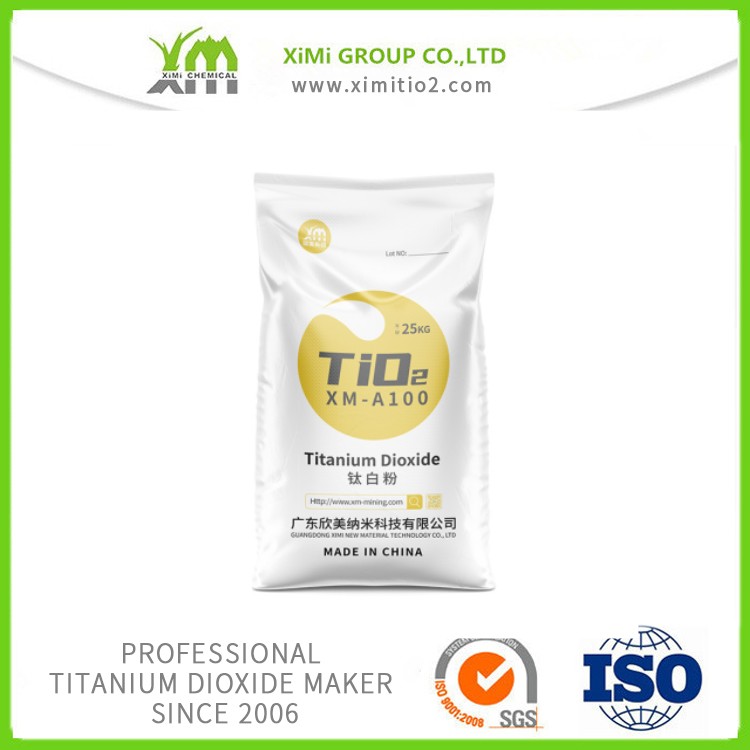
In this climate of heightened awareness and regulatory tightening, companies with deep expertise in titanium dioxide production are uniquely positioned to lead with innovation and responsibility. XiMi, a titanium dioxide manufacturer with 17 years of rich experience and a professional sales team, exemplifies such leadership. Specializing in the production of rutile titanium dioxide, anatase/'>anatase titanium dioxide, chloride/'>chloride titanium dioxide, and fiber titanium dioxide, XiMi has developed a reputation for high-quality products tailored to diverse industrial needs.
With a comprehensive understanding of titanium dioxide’s chemical properties and applications, XiMi continues to invest in research and development to enhance product safety and performance. The company’s commitment to adopting advanced manufacturing technologies helps reduce particle emissions, ensuring safer production environments.
Additionally, XiMi provides detailed product information and safety data sheets, assisting clients in meeting regulatory requirements and making informed decisions about material usage.
### Navigating the Future: Innovation and Responsibility
The recent carcinogenic classification serves as a call to action for the titanium dioxide industry. Manufacturers, including XiMi and its peers, must focus on two primary objectives: enhancing worker and consumer safety and innovating sustainable alternatives or modifications to conventional titanium dioxide products.
Research into nanoform characteristics, encapsulation technologies, and safer particle sizes is crucial. Moreover, exploring alternative materials or composites that retain the desirable properties of titanium dioxide without associated health risks may redefine future product formulations.
### Consumer Awareness and Regulatory Compliance
Consumers are increasingly informed and cautious about the materials present in the products they use daily. Transparent communication regarding titanium dioxide content, associated risks, and safety precautions is vital in maintaining public confidence.
Regulators, on the other hand, are expected to continue refining exposure limits and safety standards. Compliance with these regulations will not only protect human health but also prevent potential liabilities for manufacturers and their supply chains.
### Conclusion
The classification of titanium dioxide as a possible carcinogen marks a pivotal moment for industries dependent on this versatile pigment. While the material’s benefits remain substantial, the associated health concerns necessitate a balanced approach that prioritizes safety without stifling innovation.
Companies like XiMi, with extensive experience and a commitment to quality and safety, are well-positioned to navigate these challenges. Through enhanced safety protocols, ongoing research, and transparent communication, the titanium dioxide industry can adapt to these new realities, ensuring responsible production and usage in a safer future for workers and consumers alike.
---
*This article highlights the recent health-related classification of titanium dioxide, its potential impacts on industry and regulation, and profiles XiMi's expertise in this context, omitting any specific brand names from the health findings.*