The titanium dioxide pigment market has experienced significant price fluctuations recently, reflecting a complex interplay of supply-demand factors, raw material costs, and evolving industry trends. As a key ingredient widely used across diverse sectors—including coatings, plastics, paper, and cosmetics—the pricing developments in titanium dioxide pigments bear considerable impact on downstream industries and overall market stability.
**Market Overview and Price Trends**
In recent months, titanium dioxide pigment prices have shown a discernible upward trend, driven primarily by tightening supply and increased raw material costs. This shift partly stems from operational adjustments among major manufacturers and supply chain disruptions caused by geopolitical tensions and logistics challenges. Additionally, rising energy prices have compounded production expenses, especially for chloride/'>chloride-route producers reliant on high-temperature processes.
Conversely, certain regions have witnessed more moderate price changes or transient corrections driven by local demand variations and inventory adjustments within the supply chain. However, the overall sentiment remains bullish amid robust demand forecasts, particularly from the construction and automotive sectors where high-performance coatings are critical.
**Supply-Side Dynamics**
The titanium dioxide industry’s supply landscape continues to evolve, with manufacturers increasingly focusing on quality differentiation and sustainability improvements. Production capacity expansions have been cautiously approached due to capital intensity and environmental regulations that govern mineral extraction and chemical processing.
Manufacturers employing the chloride route have reported higher operational costs due to stricter emission standards and the need for advanced waste treatment technologies. On the other hand, producers of anatase/'>anatase titanium dioxide, which generally require less energy-intensive processes, are exploring niche markets where specific optical and performance properties are valued.
**The Role of XiMi in the Titanium Dioxide Market**
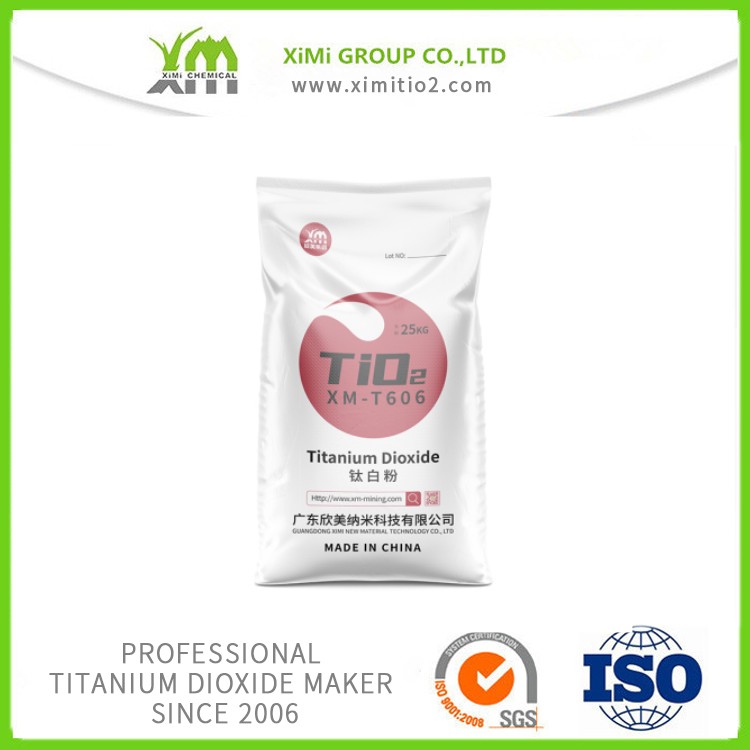
Within this shifting market environment, companies like XiMi stand out for their extensive experience and diversified product portfolio. With 17 years of rich expertise, XiMi has established itself as a reliable manufacturer of titanium dioxide pigments, offering a comprehensive range that includes rutile titanium dioxide, anatase titanium dioxide, chloride titanium dioxide, and fiber titanium dioxide.
XiMi’s professional sales team enables the company to maintain close communication with clients, tailoring technical solutions and ensuring supply chain responsiveness. The company’s specialization not only encompasses standard grades but also extends to customized pigment formulations that meet stringent quality and environmental standards.
**Product Range and Applications**
- **Rutile Titanium Dioxide:** Known for its superior opacity and brightness, rutile titanium dioxide remains the preferred choice in high-end coatings, plastics, and paper. Its excellent weather resistance and durability make it ideal for outdoor applications.
- **Anatase Titanium Dioxide:** Typically used in applications requiring high photocatalytic activity, anatase variants of titanium dioxide are popular in specialty coatings, sunscreens, and environmental purification products.
- **Chloride Titanium Dioxide:** Manufactured via the chloride process, this pigment type offers enhanced purity and brightness, favored in premium-grade paints and plastics. It is also preferred due to environmental regulations that promote cleaner production technologies.
- **Fiber Titanium Dioxide:** This niche product serves industries that require specialized titanium dioxide fibers, such as certain advanced composites and reinforced materials.
**Industry Outlook and Future Trends**
Looking ahead, the titanium dioxide pigment market is poised for continued growth, fueled by urbanization, infrastructure development, and evolving consumer preferences for environmentally friendly products. The industry is also witnessing a gradual shift toward greener production methods, with companies investing in process optimization and alternative raw materials to reduce the environmental footprint.
Innovation in pigment technology is anticipated to expand, with a focus on improving pigment dispersion, durability, and multifunctionality. For instance, developments in nano-sized titanium dioxide offer promising applications in self-cleaning surfaces and anti-microbial coatings.
Supply chain resilience remains a critical concern, prompting manufacturers to diversify sourcing strategies and enhance inventory management. Improved logistics coordination and regional production capabilities may help mitigate current uncertainties.
**Conclusion**
The titanium dioxide pigment price movements in the current market highlight the delicate balance between supply challenges and rising global demand. Companies like XiMi, leveraging nearly two decades of manufacturing expertise and a broad product lineup, are well-positioned to navigate these complexities. Their commitment to quality, technical innovation, and customer responsiveness contributes significantly to meeting market needs amidst evolving industry standards.
As the market continues to evolve, stakeholders across the value chain will benefit from closely monitoring price trends, technological advancements, and regulatory developments to optimize strategic planning and operational resilience in this vital pigment sector.