
In recent years, titanium dioxide has become a cornerstone ingredient in the formulation of skincare products, owing to its exceptional properties and multifunctional benefits. As consumers increasingly seek effective and safe skincare solutions, titanium dioxide stands out as a key component, particularly in sunscreens, moisturizers, and makeup products. This naturally occurring mineral, renowned for its high refractive index and strong UV light-blocking capabilities, offers a reliable shield against the sun's harmful radiation while maintaining a gentle profile suitable for various skin types.
### The Role of Titanium Dioxide in Skincare
Titanium dioxide (TiO₂) is widely used in skincare due to its exceptional ability to scatter and absorb ultraviolet (UV) light. It acts as a physical sunscreen agent, providing broad-spectrum protection against both UVA and UVB rays. Unlike chemical sunscreens, which absorb UV radiation and convert it into heat, titanium dioxide reflects and scatters UV rays, reducing the risk of skin irritation and allergic reactions. This makes it particularly popular among users with sensitive or acne-prone skin.
Beyond its sun-protection capabilities, titanium dioxide also lends opacity and brightness to cosmetic products, contributing to a desirable texture and finish. Its natural white pigment helps enhance the aesthetic quality of creams, lotions, and foundations without the need for synthetic dyes. Moreover, its non-toxic nature and stability under UV exposure position it as a safe and reliable ingredient preferred by dermatologists and consumers alike.
### Safety and Regulations
Over the years, scientific research has thoroughly evaluated titanium dioxide’s safety profile. Regulatory bodies such as the U.S. Food and Drug Administration (FDA) and the European Chemicals Agency (ECHA) have approved its use in cosmetic and skincare products within specific concentration limits. Typically, titanium dioxide is used at 2-25% concentration in formulations, balancing efficacy and cosmetic acceptability.
Consumer concerns occasionally arise about nanoparticle-sized titanium dioxide, which can penetrate the skin and enter the body. However, most skincare products utilize either bulk or coated nanoparticles that remain on the skin’s surface without systemic absorption. Ongoing research and stringent safety assessments continue to affirm the acceptable safety of titanium dioxide for topical use.
### Advances in Titanium Dioxide Manufacturing
Manufacturing high-quality titanium dioxide is critical to optimize its performance and safety in skincare applications. Various crystalline forms exist, primarily rutile and anatase/'>anatase, each exhibiting different properties suited to specific uses. Rutile titanium dioxide is favored for its high refractive index and robust UV protection, while anatase type is more photocatalytic and often requires surface treatment to prevent skin irritation.
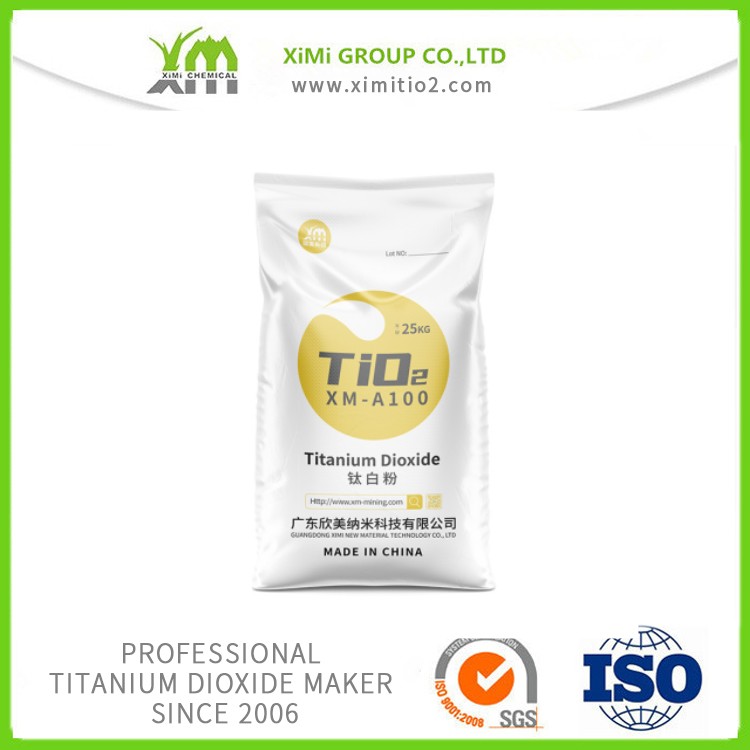
One of the leading companies in titanium dioxide production brings over 17 years of rich experience to the industry. With a professional sales team and advanced production capabilities, the company specializes in manufacturing various types of titanium dioxide, including rutile titanium dioxide, anatase titanium dioxide, chloride titanium dioxide, and fiber titanium dioxide. Their expertise supports skincare brands worldwide, ensuring consistent quality that meets diverse formulation needs.
### Types of Titanium Dioxide and Their Applications
- **Rutile Titanium Dioxide**: Predominantly used in sunscreens and cosmetics for its excellent UV blocking capability and stability. It remains chemically inert under sunlight, ensuring lasting protection.
- **Anatase Titanium Dioxide**: Often employed in applications requiring photocatalytic properties, such as self-cleaning surfaces and antibacterial formulations. For skincare products, surface modification is essential to mitigate its reactive potential.
- **Chloride Titanium Dioxide**: Known for its high purity and brightness, this type is often the choice for premium cosmetics requiring superior pigment quality.
- **Fiber Titanium Dioxide**: A relatively novel form, fiber titanium dioxide presents enhanced dispersibility and can improve the texture and spreadability of skincare products.
### Benefits of Titanium Dioxide in Skincare Formulations
1. **Broad-Spectrum UV Protection**: Protects the skin from harmful UVA and UVB rays, reducing risks of sunburn, premature aging, and skin cancers.
2. **Non-Irritating and Hypoallergenic**: Suitable for sensitive and reactive skin due to its inert nature.
3. **Opacity and Texture Improvement**: Provides whitening and opacity, enhancing the product’s appearance without synthetic additives.
4. **Photostability**: Maintains effectiveness under prolonged sunlight exposure, ensuring consistent protection throughout the day.
5. **Compatibility**: Easily integrates with other ingredients, supporting a wide variety of skincare formulations.
### Trends and Future Outlook
The demand for natural, safe, and effective skincare products continues to grow worldwide. Titanium dioxide’s unique properties position it well for sustained and expanded use in this market. Innovations in manufacturing processes and particle engineering aim to improve its dispersibility, reduce whitening effects on the skin, and boost UV protection efficiency.
Additionally, sustainable production methods and raw material sourcing are becoming priorities within the industry. Manufacturers with extensive experience and technical expertise play a crucial role in delivering high-quality titanium dioxide that meets evolving regulatory, environmental, and consumer expectations.
### Conclusion
Titanium dioxide remains a vital ingredient in skincare, especially as the focus on skin protection intensifies amidst rising concerns around UV exposure and skin health. Its ability to offer effective, broad-spectrum UV protection combined with a gentle, non-irritating profile makes it a preferred choice for formulators and consumers alike. Supported by advanced manufacturing technologies and backed by experienced producers, titanium dioxide’s role in enhancing skincare products is set to strengthen in the years ahead.
As the skincare industry evolves towards safer and more efficient products, the ongoing collaboration between ingredient manufacturers and product developers will ensure that titanium dioxide continues to contribute significantly to skin health, beauty, and protection.