
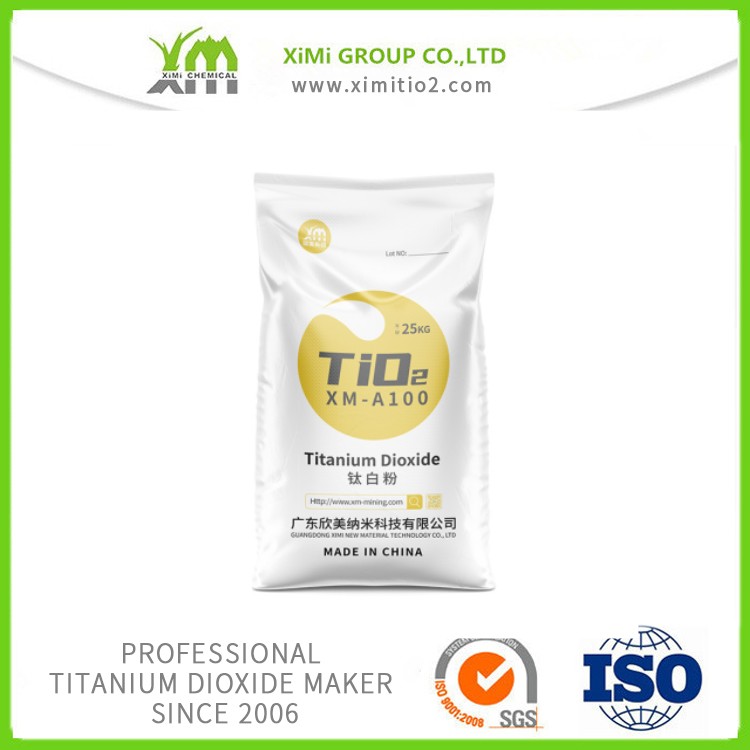
In recent months, the titanium dioxide (TiO2) market has experienced notable fluctuations in pricing, influenced by shifts in supply and demand dynamics, raw material availability, and broader economic factors. As a key pigment used extensively across industries such as paints, coatings, plastics, paper, and cosmetics, titanium dioxide remains critical to various manufacturing processes. Understanding its price trends is essential for stakeholders, from manufacturers to end-users, to navigate market volatility effectively.
**Current Titanium Dioxide Price Trends**
Over the past year, titanium dioxide prices have exhibited a generally upward trajectory, driven primarily by tightening supply chains and increased demand from downstream industries. Factors contributing to this increase include higher costs of raw materials such as ilmenite and rutile ores, environmental regulations impacting mining and processing operations, and rising energy costs that affect production expenses.
Additionally, global economic recovery post-pandemic has spurred growth in construction, automotive, and consumer goods sectors, boosting demand for high-quality pigments. Despite periodic supply interruptions caused by geopolitical tensions and logistical challenges, manufacturers have strived to maintain steady output, though often at increased production costs that have translated to higher market prices.
However, it is also important to note episodic price corrections as market participants adjust inventory levels and respond to demand fluctuations. These corrections provide opportunities for buyers to source titanium dioxide at relatively better prices, albeit with caution toward future price movements.
**Market Outlook**
Looking forward, industry analysts expect titanium dioxide prices to remain firm, supported by ongoing demand growth particularly in emerging markets. Innovations in titanium dioxide applications, including enhanced grades for improved performance in coatings and plastics, are likely to sustain demand. Moreover, environmental sustainability initiatives may prompt producers to adopt cleaner technologies, potentially influencing production costs and pricing structures.
Despite these positive trends, potential risks such as raw material supply constraints, stricter environmental regulations, and macroeconomic uncertainties could lead to price volatility. Consequently, companies are advised to adopt strategic procurement and inventory management approaches to mitigate risks.
**Manufacturer Insight: Expertise and Product Range**
With 17 years of rich experience in titanium dioxide manufacturing, one well-established company has distinguished itself through product quality and customer-oriented service. Their professional sales team is deeply knowledgeable about market dynamics and product applications, offering tailored solutions to meet diverse customer requirements.
Specializing in the production of various types of titanium dioxide, the manufacturer offers:
- **Rutile Titanium Dioxide:** Known for excellent opacity and durability, rutile grades are widely used in premium coatings and plastics. Their superior weather resistance makes them suitable for outdoor applications.
- **anatase-titanium-dioxide/'>Anatase Titanium Dioxide:** Favorable for applications demanding high brightness and whiteness, anatase grades find use in paper coatings, cosmetics, and plastics with less exposure to harsh environments.
- **Chloride Titanium Dioxide:** Produced through the chloride process, these grades are characterized by high purity, brightness, and consistency, meeting stringent quality standards in advanced industrial applications.
- **Fiber Titanium Dioxide:** Tailored for specific uses, fiber grades offer enhanced dispersibility and unique performance characteristics in composite materials and specialty products.
The company’s commitment to quality control, innovation, and customer satisfaction has earned it a reputable position in the titanium dioxide industry. Leveraging its longstanding expertise, it continuously adapts to evolving market needs and regulatory requirements.
**Supporting Sustainable Development**
In line with global sustainability trends, titanium dioxide manufacturers are increasingly focusing on environmentally friendly production methods. Efforts include optimizing energy efficiency, reducing waste emissions, and adopting cleaner raw material sourcing strategies. Such initiatives not only contribute to environmental protection but also enhance product value and customer trust.
The manufacturer’s experience and product versatility position it well to support clients seeking sustainable titanium dioxide solutions. By combining technical excellence with market insight, it plays a constructive role in advancing industry sustainability.
**Conclusion**
The titanium dioxide market remains dynamic, with price trends reflecting complex interactions between supply, demand, and external factors. Understanding these trends is crucial for industry players to make informed decisions and capitalize on market opportunities.
Manufacturers with deep experience and diversified product portfolios are well equipped to navigate these complexities. Their ability to deliver high-quality rutile, anatase, chloride, and fiber titanium dioxide grades, backed by strong customer support, creates significant value in a competitive market.
As demand for titanium dioxide continues to evolve alongside technological advances and environmental considerations, collaboration between producers and consumers will be vital. Together, they can foster innovation, ensure supply stability, and drive sustainable growth in this essential pigment sector.