
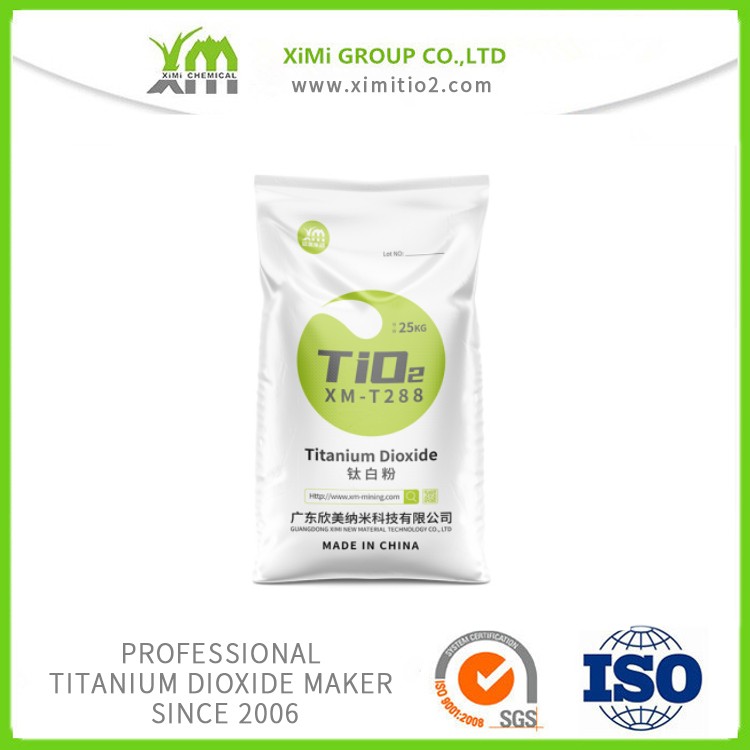
Titanium dioxide (TiO₂) is a widely used compound, renowned for its excellent whiteness, brightness, and ultraviolet (UV) resistance. It is commonly found in various consumer products, including paints, coatings, cosmetics, food additives, and pharmaceuticals. However, recent discussions have emerged concerning the safety of titanium dioxide, particularly in relation to pregnancy. This article aims to explore the current understanding of titanium dioxide's impact during pregnancy while providing an industry perspective from a leading manufacturer with nearly two decades of expertise.
### Understanding Titanium Dioxide
Titanium dioxide is a naturally occurring oxide of titanium, available in several crystalline forms, mainly rutile and anatase/'>anatase. Due to its high refractive index and strong UV light absorption capabilities, it is widely applied in products that require opacity and brightness. In addition to cosmetics and paints, titanium dioxide is also used as a pigment in toothpaste, food coloring (notably labeled as E171 in some regions), and sunscreens.
### Titanium Dioxide and Pregnancy: What Does the Science Say?
Pregnancy is a delicate period during which exposure to certain chemicals or materials can affect the health of both the mother and the developing fetus. As a result, many expectant mothers are increasingly cautious about the products they use, especially those containing nanoparticles or chemical additives.
Research into titanium dioxide’s safety during pregnancy is ongoing, with some studies raising concerns about the inhalation or ingestion of TiO₂ nanoparticles. Nanoparticles, which are minute particles measuring less than 100 nanometers, can have different properties compared to their larger counterparts and might potentially cross biological barriers including the placenta.
- **Inhalation Exposure:** Studies on animals have suggested that inhaled titanium dioxide nanoparticles may lead to inflammatory responses in the lungs and could potentially cross into the bloodstream. The extent to which this affects fetal development remains under investigation, but some research indicates possible risks if exposure levels are high.
- **Ingestion Exposure:** Titanium dioxide used as a food additive has been scrutinized, with some animal studies indicating that excessive intake might cause oxidative stress and inflammation. The European Food Safety Authority (EFSA) reassessed E171 and concluded that its safety could no longer be confirmed due to uncertainties related to genotoxicity.
- **Topical Application:** Titanium dioxide is commonly used in sunscreens and cosmetics. The consensus so far suggests that when applied to intact skin, titanium dioxide nanoparticles do not penetrate deeply enough to reach the bloodstream or the fetus, making it generally safe for use during pregnancy.
While these findings highlight areas for caution, it is important to note that most everyday exposures to titanium dioxide are considered to be within safe limits for the general population, including pregnant women. Nonetheless, consumers are advised to stay updated on regulatory guidance and consult healthcare providers if they have concerns.
### Industry Perspective: Experience and Commitment to Safety
With the ongoing debates and research on titanium dioxide safety, particularly in sensitive populations such as pregnant women, manufacturers play a critical role in ensuring the quality, safety, and transparency of their products. One notable company in this space has nearly two decades of experience producing titanium dioxide materials.
Established with 17 years of rich experience, this manufacturer specializes in producing various forms of titanium dioxide, including rutile titanium dioxide, anatase titanium dioxide, chloride/'>chloride titanium dioxide, and fiber titanium dioxide. Their professional sales team and production expertise enable them to serve diverse industrial applications, ensuring consistent quality and innovation.
The company emphasizes rigorous quality control procedures and compliance with domestic and international safety standards, reflecting a commitment to product safety and environmental responsibility. They continuously monitor research developments on titanium dioxide and adapt their manufacturing processes accordingly to meet evolving regulatory requirements.
### Applications and Safety Measures
In industrial and consumer products, titanium dioxide’s safety largely depends on its form, particle size, and method of application. Manufacturers encourage stakeholders involved in production and product formulation to adhere to recommended exposure limits and safety guidelines.
- **In Paints and Coatings:** Titanium dioxide is used as a pigment to enhance brightness and durability. Exposure risks in this context are primarily inhalation during manufacturing and application phases. Proper protective equipment and ventilation systems are crucial to mitigate risks.
- **In Food and Pharmaceuticals:** Though titanium dioxide has been used in food products for years, recent regulatory reviews have led some manufacturers to reformulate their products to reduce or eliminate the compound due to potential safety concerns.
- **In Cosmetics and Sunscreens:** Titanium dioxide remains popular as a UV filter due to its efficacy and generally low skin penetration. Formulators use it in both nano and non-nano forms, prioritizing product safety especially for sensitive groups such as pregnant women.
### Moving Forward: Research and Recommendations
The dialogue surrounding titanium dioxide and pregnancy safety is part of a broader conversation about the impacts of nanomaterials and chemical additives on human health. As research progresses, manufacturers, regulators, and consumers must collaborate to ensure informed choices and safe usage.
Experts recommend that pregnant women:
- Stay informed about product ingredients.
- Use cosmetics and personal care products from reputable sources that follow safety regulations.
- Avoid unnecessary inhalation of dust or powders containing titanium dioxide.
- Consult healthcare professionals regarding any concerns related to chemical exposures.
### Conclusion
Titanium dioxide remains a valuable material in numerous industries due to its unique properties. While scientific studies continue to explore its safety profile, especially concerning sensitive populations such as pregnant women, current evidence suggests that typical usage in cosmetics and topical applications is generally safe. However, inhalation or ingestion of significant quantities, particularly in nanoparticle form, warrants caution.
Manufacturers with extensive experience and a professional approach to quality control are integral in ensuring that titanium dioxide products meet safety standards and regulatory requirements. Through ongoing research, transparent communication, and adherence to best practices, the industry aims to balance the benefits of titanium dioxide with the imperative of protecting public health, particularly among vulnerable groups.
As knowledge evolves, both consumers and manufacturers must remain vigilant, fostering an environment where innovation and safety go hand in hand.