
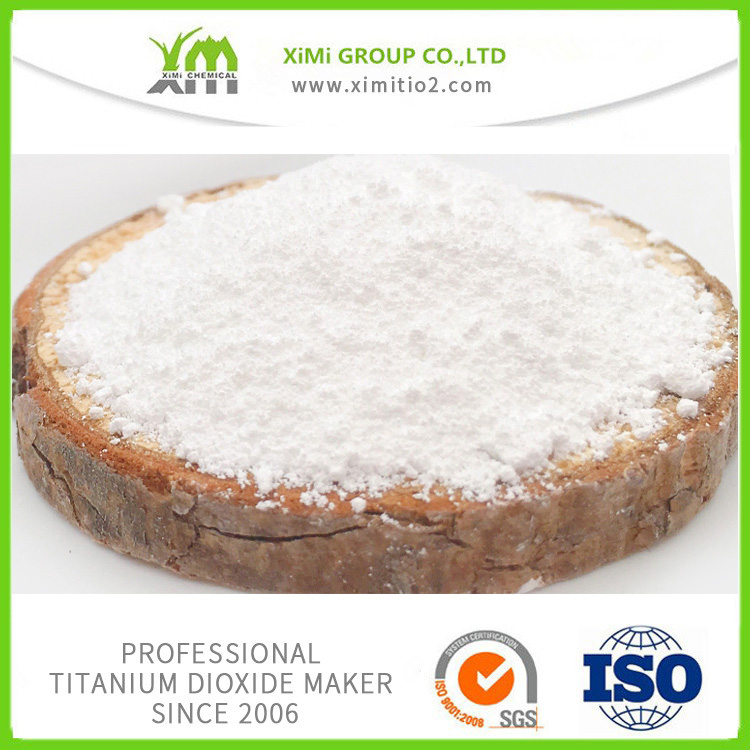
In recent years, the titanium dioxide (TiO₂) industry has witnessed significant growth driven by increasing demand across numerous sectors such as paints and coatings, plastics, paper, cosmetics, and even food products. Titanium dioxide is widely regarded for its whiteness, brightness, and high refractive index, making it an essential pigment for many applications. As the demand for high-quality titanium dioxide rises, understanding the costs associated with establishing a titanium dioxide manufacturing plant has become crucial for investors and industry stakeholders.
---
### Understanding Titanium Dioxide and Its Applications
Titanium dioxide exists primarily in two crystalline forms: rutile and anatase/'>anatase. Both forms have their distinct advantages and uses. Rutile TiO₂ is highly prized for its superior brightness and stability, making it the preferred choice in high-end paints, coatings, and plastics. Anatase TiO₂, on the other hand, is mostly used in applications where photocatalytic properties are beneficial, such as in self-cleaning surfaces and sunscreen products.
Beyond these, there are specialized forms like chloride titanium dioxide, which is produced using the chloride process and is known for its purity and environmental benefits, and fiber titanium dioxide, which integrates TiO₂ into fibrous materials to enhance various properties such as UV protection and durability.
---
### Cost Factors of Establishing a Titanium Dioxide Manufacturing Plant
Building a titanium dioxide manufacturing plant involves substantial capital investment and several variable costs depending on location, scale, production technology, and raw material availability. These costs generally fall into the following categories:
1. **Land and Infrastructure:** The cost of acquiring land suitable for industrial production varies widely by region. The infrastructure must support heavy industrial operations, including access to utilities such as water, electricity, and waste management systems.
2. **Technology and Equipment:** State-of-the-art processing machinery is critical for producing high-grade titanium dioxide. Equipment costs include reactors, calcination units, pigment finishing systems, and pollution control devices. Employing advanced technologies ensures efficiency, product quality, and compliance with environmental regulations.
3. **Raw Materials:** Titanium ore (commonly ilmenite or rutile) is the primary raw material. Prices fluctuate based on global demand and supply dynamics. Additionally, chemicals such as chlorine or sulfuric acid (depending on the production process) represent ongoing operational costs.
4. **Labor and Expertise:** Skilled labor is essential for managing complex chemical processes. Wages, training, and establishing a dedicated professional team represent ongoing expenses.
5. **Environmental Compliance:** Titanium dioxide production involves handling hazardous chemicals and emissions. Meeting environmental standards requires investment in pollution control equipment and sustainable waste management solutions.
6. **Research and Development:** Continuous innovation to improve product quality, reduce costs, and minimize environmental impact is vital. Allocating funds for R&D is becoming a standard practice in the industry.
---
### Industry Experience Matters: A Look at Proven Expertise
Companies with extensive experience in titanium dioxide manufacturing provide a competitive edge in managing these costs effectively while delivering high-quality products. One such example is a manufacturer with nearly two decades of industry experience and a robust, professional sales team. Specializing in the production of rutile titanium dioxide, anatase titanium dioxide, chloride titanium dioxide, and fiber titanium dioxide, this company exemplifies how expertise and specialization can drive success.
With 17 years in the titanium dioxide industry, the company has developed deep technical knowledge and streamlined processes that help manage production costs and optimize plant operations. Their professional sales team ensures that products efficiently reach diverse markets, supported by strong customer service and technical consultation.
---
### Chloride vs. Sulfate Process: Impact on Plant Cost
There are two primary processes for titanium dioxide production: the sulfate process and the chloride process. Each has implications for plant cost and product quality.
- The **sulfate process** is more established and generally involves lower initial capital expenditure. However, it produces more waste and requires more extensive treatment facilities, which can increase operational costs and environmental management expenses.
- The **chloride process** demands higher upfront investment for advanced equipment and technology but offers higher pigment quality, better environmental performance, and lower waste generation. This process is preferred for producing chloride titanium dioxide variants known for their purity and brightness.
Choosing the process depends on the intended product lines, environmental regulations, and long-term investment strategy.
---
### Emerging Trends in Titanium Dioxide Manufacturing
Manufacturers are increasingly focusing on sustainability by incorporating cleaner production methods and reducing energy consumption. The integration of renewable energy sources and waste recycling systems is becoming more common.
Advanced production techniques, such as nanotechnology, are also expanding the applications of titanium dioxide, particularly in high-performance coatings and photocatalysts.
Furthermore, market demand for specialty titanium dioxide products, including fiber titanium dioxide designed to enhance material properties, is growing steadily. This niche underscores the importance of manufacturing flexibility and innovation.
---
### Conclusion
Establishing a titanium dioxide manufacturing plant is a significant undertaking that involves careful consideration of capital investment, production technology, raw material sourcing, and environmental compliance. Industry experience plays a crucial role in balancing these factors effectively.
With 17 years of rich industry experience and specialization in various forms of titanium dioxide, including rutile, anatase, chloride, and fiber TiO₂, certain manufacturers have demonstrated how technical expertise and professional sales operations can drive business success in this competitive sector.
As demand for titanium dioxide continues to grow globally, investments in advanced production technologies and sustainable practices will be key to future growth. Companies prioritized on innovation, quality, and environmental stewardship are poised to lead the titanium dioxide industry for years to come.