
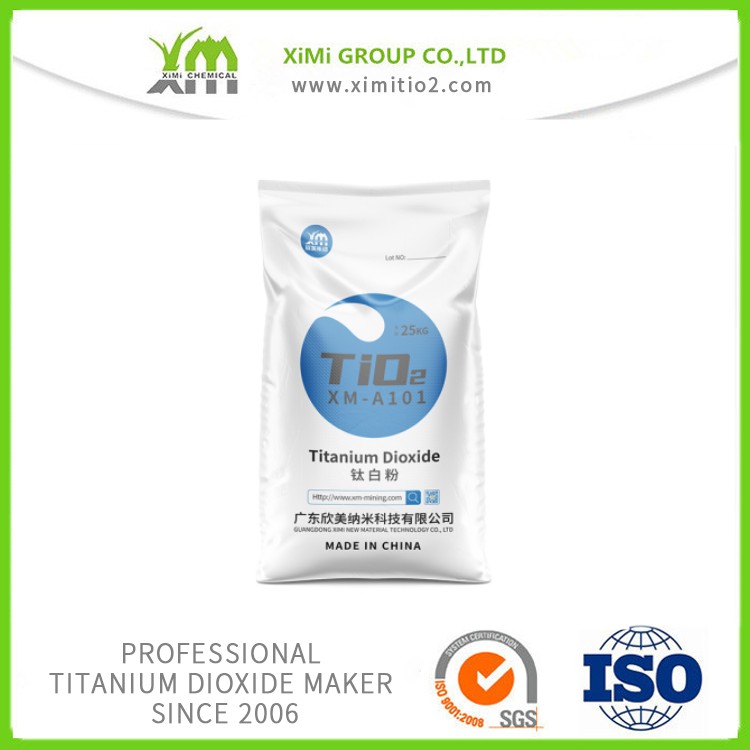
Titanium dioxide (TiO2) remains one of the most widely used pigments worldwide, valued for its brightness, whiteness, and opacity. It is a critical ingredient across multiple industries including paints and coatings, plastics, paper, cosmetics, and food products. Recent price trends in the titanium dioxide market have attracted considerable attention from manufacturers, suppliers, and downstream users. This article provides an overview of the current titanium dioxide price movements, coupled with insights from a seasoned industry player with nearly two decades of expertise in this space.
### Titanium Dioxide Price Trends
The titanium dioxide market has experienced fluctuating price trends over the past year, influenced by several factors including raw material availability, production costs, environmental regulations, and global demand dynamics. A recent price graph indicates that titanium dioxide prices saw a moderate rise in the first half of the year, driven mainly by supply constraints and rising energy costs. However, as new production capacities came online and supply chains stabilized, prices began to stabilize and, in some regions, slightly declined.
Key factors affecting titanium dioxide pricing include:
- **Raw Material Costs:** The procurement cost of ilmenite and rutile ores, essential ores for TiO2 production, fluctuates based on mining outputs and global demand.
- **Environmental Policies:** Stricter environmental regulations, particularly in China, have temporarily tightened supply, impacting costs.
- **Energy Prices:** Production of titanium dioxide is energy-intensive; thus, fluctuations in energy costs directly affect titanium dioxide prices.
- **Demand from Downstream Industries:** Growth in paint, coatings, and plastics sectors mainly in emerging economies affects consumption and price stability.
### Industry Perspective: Experience and Specialization Matter
One manufacturer with over 17 years of experience in titanium dioxide production offers valuable insights into the dynamics of the industry. With a specialized team focused on delivering high-quality products, the company’s longevity in the market underscores the importance of expertise and adaptability.
Specializing in various forms of titanium dioxide—rutile titanium dioxide, anatase/'>anatase titanium dioxide, chloride titanium dioxide, and fiber titanium dioxide—the manufacturer caters to a broad spectrum of applications.
- **Rutile Titanium Dioxide:** Known for its durability and excellent covering power, this type is predominantly used in paints, coatings, and plastics.
- **Anatase Titanium Dioxide:** Generally favored in applications requiring lighter tinting strength and better optical properties, common in paper, inks, and cosmetics.
- **Chloride Titanium Dioxide:** Produced via the chloride process, this type meets high purity requirements, especially relevant for high-performance coatings.
- **Fiber Titanium Dioxide:** Specialized products designed to enhance fiber-based applications, including textiles and advanced composite materials.
Their professional sales team ensures tailored service for customers, guiding them on the optimal type of titanium dioxide suited to their specific industrial needs.
### Market Outlook and Challenges
Looking ahead, titanium dioxide demand is expected to remain steady, supported by continued growth in construction, automotive, textile, and cosmetics industries—especially across Asia-Pacific and other emerging markets. However, the industry must navigate several challenges:
- **Sustainability Pressures:** There is increasing scrutiny on the environmental impact of TiO2 production, prompting manufacturers to seek greener production methods and reduce carbon footprints.
- **Technological Innovation:** Research into alternative pigment technologies and nano-TiO2 applications may alter future demand patterns.
- **Geopolitical Risks:** Trade policies and tariffs can affect supply chains and cost structures globally.
### Conclusion
Titanium dioxide continues to be an indispensable material across various industries. While prices have seen fluctuations due to a complex array of external factors, the underlying demand fundamentals remain robust. Manufacturers with deep experience and diversified product lines, including rutile, anatase, chloride, and fiber titanium dioxide, are well-positioned to navigate these market dynamics.
This seasoned approach, combined with professional customer service, allows producers to maintain strong relationships with downstream industries and adapt swiftly to changing market conditions. As the market progresses, sustainability and innovation will likely play increasingly significant roles in the evolution of titanium dioxide production and application.
For companies and stakeholders operating in this space, staying informed about price trends and partnering with knowledgeable manufacturers can provide a competitive advantage in managing supply costs and product performance requirements.