
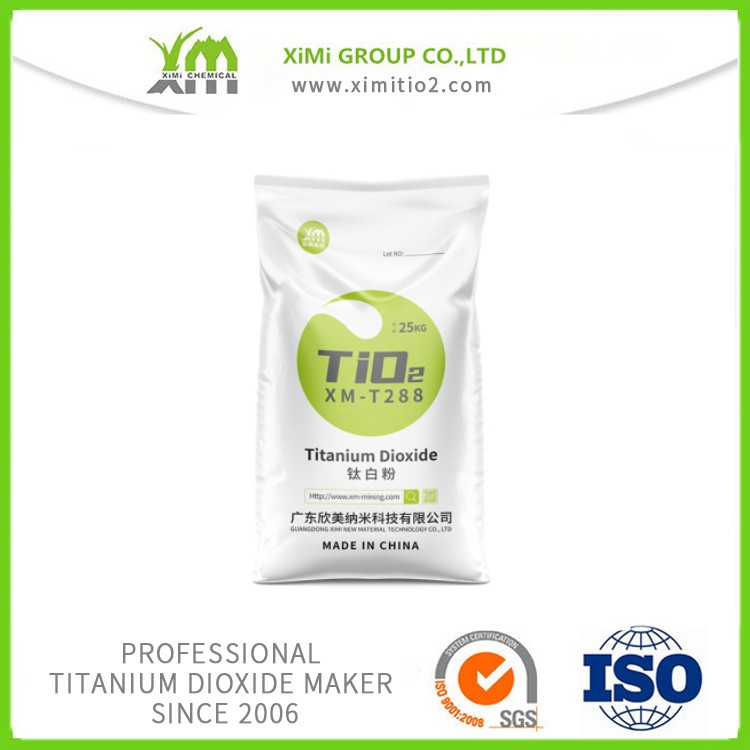
Titanium dioxide (TiO₂) is a widely used white pigment found in numerous products, including paints, coatings, plastics, cosmetics, and food items. Its exceptional brightness and opacity make it a crucial ingredient in many industrial and consumer applications. However, recent safety concerns surrounding titanium dioxide have prompted increased scrutiny from regulators, manufacturers, and consumers alike. This development is prompting the entire industry to take a closer look at production processes, product formulations, and regulatory compliance to ensure both safety and sustainability.
### Understanding Titanium Dioxide and Its Applications
Titanium dioxide occurs naturally as the mineral rutile or anatase/'>anatase and is primarily manufactured through two main processes: the sulfate process and the chloride/'>chloride process. These lead to the production of several forms of titanium dioxide, including rutile and anatase types. Additionally, specialized forms such as fiber titanium dioxide have been developed to enhance product performance in specific applications.
Titanium dioxide’s versatility stems from its desirable properties:
- High refractive index, providing excellent opacity and brightness,
- Strong ultraviolet light resistance,
- Chemical stability,
- Non-toxicity in bulk, making it suitable for use in food and personal care products.
These characteristics have entrenched titanium dioxide as a crucial material in industries ranging from construction and automotive to pharmaceuticals.
### Emerging Safety Concerns
Despite its widespread use, titanium dioxide has recently come under scrutiny concerning potential health risks, particularly related to airborne particles and nanoparticles. The European Chemicals Agency (ECHA) classified titanium dioxide powders containing 1% or more of particles with an aerodynamic diameter ≤10 μm as a suspected carcinogen by inhalation in 2020. This classification was based on animal studies indicating risks associated with inhalation of fine TiO₂ particles.
Consequently, several countries and regulatory bodies are reviewing their safety standards and labeling requirements for titanium dioxide-containing products. For consumers, the concern primarily focuses on inhalation exposure, especially for workers in manufacturing plants or users of spray products. While ingestion and dermal exposures through food and cosmetics are generally considered low risk, authorities emphasize precautionary measures in occupational settings.
### Industry Response and Adaptation
In light of these safety concerns, titanium dioxide manufacturers are actively adjusting their production methods and exploring innovations to address regulatory demands and ensure worker and consumer safety. These measures include:
- Enhancing filtration and containment systems to minimize airborne dust in manufacturing environments.
- Transitioning to forms of titanium dioxide with larger particle sizes that pose less inhalation risk.
- Improving product formulations to reduce or eliminate the release of respirable particles.
- Supporting ongoing scientific research to better understand exposure risks and toxicology of different TiO₂ forms.
These efforts demonstrate the industry’s commitment to responsibly managing the challenges associated with titanium dioxide while meeting market demands.
### A Manufacturer’s Perspective: Experience and Expertise
With 17 years of expertise in titanium dioxide production, a leading manufacturer exemplifies how experience and innovation intersect to maintain quality and compliance. Specializing in the production of several titanium dioxide variants—including rutile, anatase, chloride-based, and fiber titanium dioxide—this manufacturer has developed a strong professional sales and support team. Their knowledge of material characteristics and regulatory landscapes positions them well to guide clients on safe, effective use of titanium dioxide products.
Rutile titanium dioxide, known for its excellent brightness and durability, is especially favored in coatings and plastics. Anatase titanium dioxide, with a different crystal structure, is more photocatalytically active, making it suitable for applications like self-cleaning surfaces and antibacterial coatings. The chloride process titanium dioxide offers higher purity and brightness compared to the older sulfate method, albeit at higher production costs. Fiber titanium dioxide is engineered to improve dispersibility and strength in composite materials.
By offering a broad range of titanium dioxide types, the manufacturer meets diverse customer needs while adhering to evolving regulatory standards. Their extensive experience places them at the forefront of safely producing and supplying titanium dioxide products in today’s dynamic market.
### The Path Forward
As titanium dioxide remains integral to many products and industries, addressing safety concerns is paramount. Collaboration between manufacturers, regulatory bodies, scientific researchers, and end-users will be key to developing sustainable solutions. This cooperation can foster innovation in safer production techniques, alternative pigments, and effective exposure controls.
Consumers and industries alike benefit from transparency and education regarding titanium dioxide use and safety. Clear labeling, awareness campaigns, and adherence to best-practice guidelines contribute to informed decisions and minimize potential health risks.
In conclusion, while titanium dioxide plays a vital role in numerous sectors, its safety profile continues to evolve with scientific advancements. Manufacturers with robust expertise and proactive approaches stand ready to navigate these challenges, ensuring that titanium dioxide remains a valuable and safe material well into the future. Through responsible stewardship and innovation, the titanium dioxide industry can continue to thrive while safeguarding human health and the environment.