
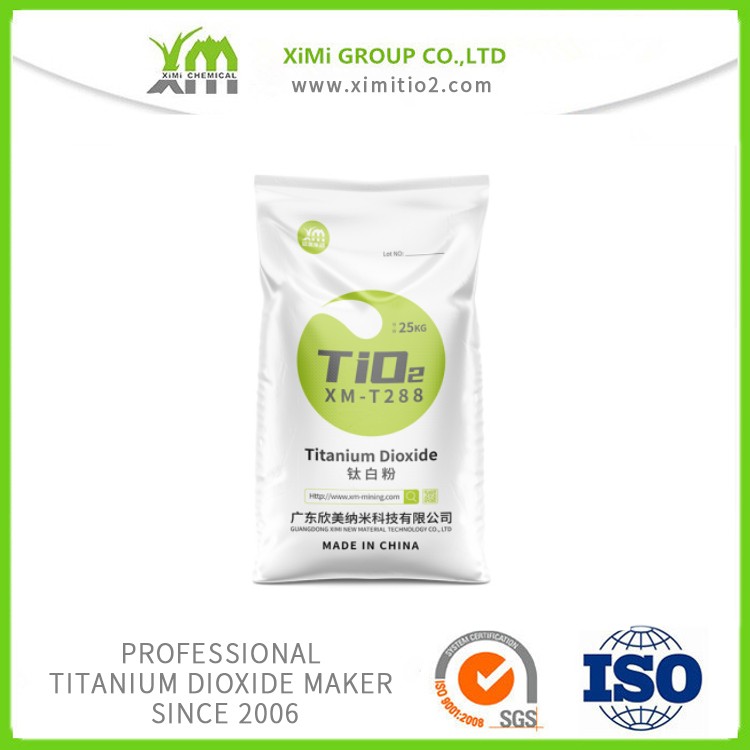
Titanium dioxide (TiO2) remains one of the most widely used industrial pigments globally, prized for its exceptional whiteness, brightness, and opacity. Its broad application spans industries such as paints and coatings, plastics, paper, cosmetics, and even food. Recent market trends indicate fluctuations in the cost per kilogram of titanium dioxide, influenced by factors ranging from raw material availability to geopolitical dynamics and environmental regulations. This report delves into the current situation of titanium dioxide pricing, supported by insights from a key player in the industry, a manufacturer with 17 years of deep domain expertise and a specialized sales team focusing on diverse titanium dioxide products including rutile, anatase/'>anatase, chloride/'>chloride, and fiber grades.
### Titanium Dioxide Cost Per Kg: Current Scenario
In recent months, the cost per kilogram of titanium dioxide has seen a degree of volatility. Market analysts attribute this to a combination of supply chain disruptions, increasing energy costs, and stricter environmental compliance policies in major producing countries. Prices vary depending on the specific type and grade of titanium dioxide, with rutile grades generally commanding higher prices due to their superior properties, such as better durability and brightness, making them ideal for high-performance applications.
As of the latest reports, the average cost per kilogram of titanium dioxide ranges broadly, typically hovering between $2.50 to $4.50 USD, depending on quality, grade, and purchase volume. However, some specialty grades like fiber titanium dioxide and chloride titanium dioxide can fetch higher prices due to their specific industrial applications and manufacturing complexities.
### Factors Influencing Titanium Dioxide Prices
1. **Raw Material Availability**
Titanium dioxide is primarily derived from ilmenite and rutile ores, which are mined in limited geographic regions. Any disruption in mining activities, whether due to environmental restrictions or geopolitical issues, directly affects the raw material supply and thus price.
2. **Energy Costs and Environmental Policies**
The production of titanium dioxide is energy-intensive. Increased energy costs significantly raise production expenses. Moreover, environmental regulations, especially in countries like China, have intensified over recent years, compelling manufacturers to invest in cleaner technologies or reduce output to comply, impacting overall supply.
3. **Demand Fluctuations**
End-user industries, especially paints, coatings, and plastics, drive the demand for titanium dioxide. Economic slowdowns or shifts towards alternative materials can influence demand, thus influencing prices.
4. **Technological Advancements**
Process improvements, such as enhanced chloride process technologies and novel fiber grades, help manufacturers optimize costs and improve product performance, affecting pricing dynamics.
### Manufacturer Spotlight: Expertise and Product Portfolio
A notable manufacturer with 17 years of industry experience and a dedicated professional sales team exemplifies the dynamic capabilities within this sector. Specializing in the production of various titanium dioxide types, this company offers rutile titanium dioxide, anatase titanium dioxide, chloride titanium dioxide, and fiber titanium dioxide, catering to a broad spectrum of application needs.
- **Rutile Titanium Dioxide** is renowned for its high refractive index and excellent durability, making it the preferred choice for paints, coatings, and plastics that require superior resistance to weathering and UV degradation.
- **Anatase Titanium Dioxide** offers high whiteness and brightness with better photocatalytic properties, commonly utilized in applications such as paper, cosmetics, and certain coatings where surface finish and brightness are critical.
- **Chloride Titanium Dioxide** utilizes an advanced manufacturing process that yields high-purity products with excellent whiteness and performance, increasingly favored in markets demanding premium-grade pigments.
- **Fiber Titanium Dioxide** represents a specialized product designed to meet increasingly technical demands, including enhanced performance in composite materials and functional coatings, illustrating the manufacturer’s commitment to innovation.
### Market Outlook and Strategic Priorities
Looking forward, the titanium dioxide market anticipates steady demand growth supported by global industrial activities and urbanization, particularly in emerging economies. However, suppliers face ongoing challenges related to sustainable production, raw material sourcing, and navigating the evolving regulatory landscape.
Manufacturers with comprehensive expertise and diversified product portfolios, supported by professional sales and technical teams, are well-positioned to meet customer needs and deliver value-added solutions. These companies emphasize innovation and sustainable practices, which are becoming non-negotiable for long-term competitiveness.
### Conclusion
Titanium dioxide continues to be a critical industrial material with a cost per kilogram influenced by multiple interlinked factors including supply dynamics, energy costs, regulatory environment, and technological progress. Manufacturers with robust experience and broad product offerings — spanning rutile and anatase grades, chloride-process pigments, and specialized fibers — provide essential supply stability and technical innovation in this evolving landscape.
As industries seek higher quality, environmentally compliant, and cost-effective materials, the titanium dioxide market will likely see continued investment and development, ensuring it remains a cornerstone pigment for a wide range of applications for years to come.